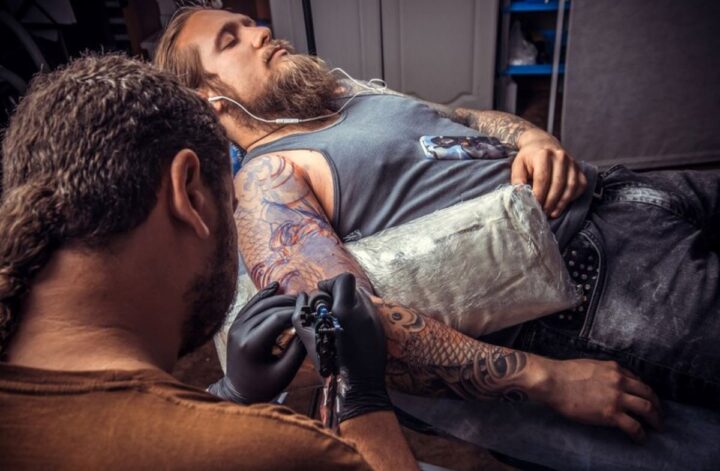
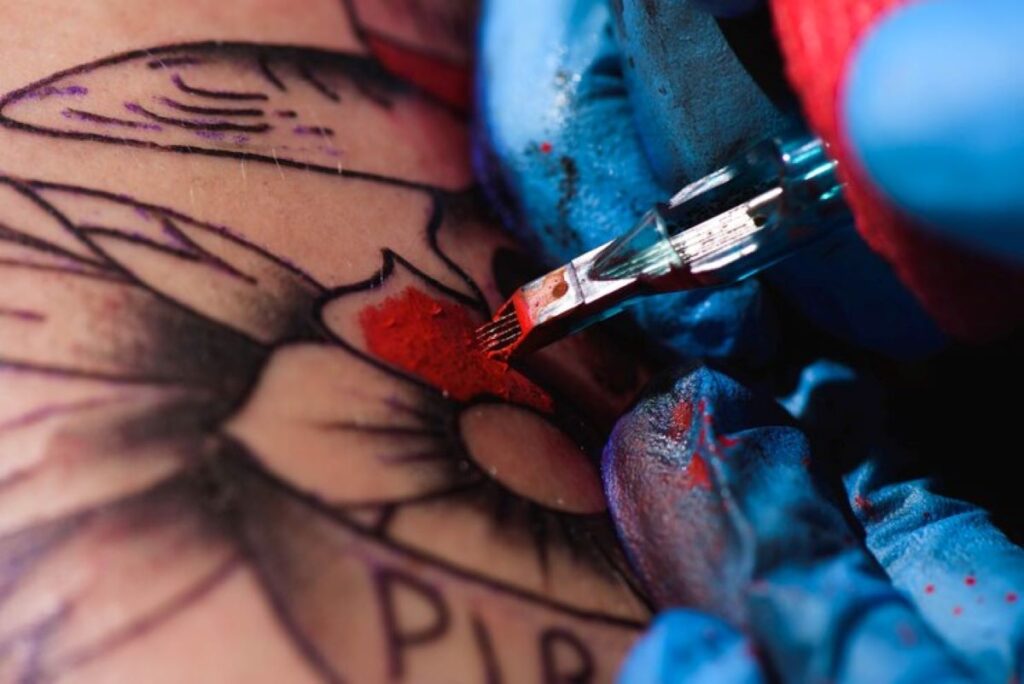
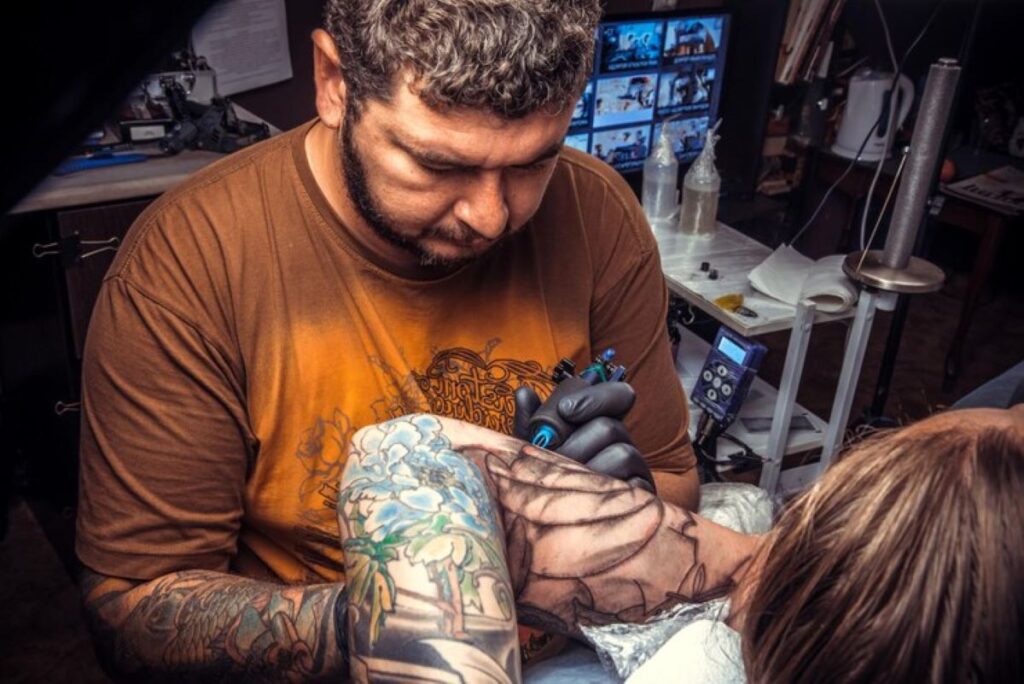
Below is what to expect, when to go, what styles suit walk-ins best, how pricing tends to work, and what to bring so you can get tattooed with minimal stress.
Do Tattoo Studios in Sydney Accept Walk-Ins Every Day?
Many Sydney tattoo studios accept walk-ins most days, but it depends on the artists on shift, existing bookings, and the studio’s policy. Even “walk-in friendly” studios can book out quickly, especially when multiple clients arrive at once.
What “walk-in” usually means in practice
Most walk-ins are for smaller tattoos that can be drawn up, stencilled, and finished in one sitting. Larger custom pieces often need a consult first, then a booking, because they require design time and a longer session slot.
Why Sydney studios can be picky about what they take on
Sydney tattoo artists have a strong reputation for creativity, precision, and attention to detail, and the best studios treat tattooing like the sophisticated art form it is. With decades of combined experience across a team, many studios would rather book a complex idea properly than rush it on the day.
Where walk-in demand is highest in Sydney
Areas with heavy foot traffic often see more walk-in requests, particularly around Bondi Road and Surry Hills. If you’re turning up in these areas, expect competition for same-day slots, but also more studios with systems in place to handle walk-ins.
Can you still secure a time if the studio is busy?
Often, yes. Many studios offer both walk-ins and online booking, so if you arrive and it’s packed, you can lock in the next available slot rather than losing the day entirely.
What Times Are Walk-In Sydney Tattoo Appointments Usually Available?
Walk-ins are usually easiest to get from late morning through mid-afternoon, with evenings filling up fast. Weekends are typically the hardest, because both bookings and spontaneous walk-ins spike.
The best times to try for a same-day tattoo
If you want the best chance today, aim for opening time or early afternoon, when schedules can reshuffle after booked appointments start. Mid-week, especially Tuesday to Thursday, is usually more forgiving than Friday to Sunday.
What happens when you arrive at the studio?
Most studios follow a similar flow: a quick consult, a check of placement and size, then a quote. After that you’ll do an ID check, complete consent forms, approve the stencil placement, and then the session begins.
Do guest artists and events affect walk-in availability?
Yes, in both directions. Guest spots and studio events can create extra availability, especially if more artists are on the floor, but they can also reduce walk-in space if the studio is hosting pre-booked sessions. It’s worth checking a studio’s socials for announcements before you travel.
A note for tourists and last-minute clients
Plan for waiting time and bring flexibility on design and placement. Even if a studio can tattoo you today, you might need to adjust your idea to fit the available slot without compromising quality.
What Tattoo Styles Are Best for Walk-In Sydney Tattoo Sessions?
Walk-ins work best for tattoos that can be sized, stencilled, and completed in a single sitting. If the design needs heavy custom drawing, multiple references, or lots of back-and-forth, you’ll usually get a better result by booking.
Which styles are most walk-in friendly?
These tend to fit the walk-in format well, depending on the artist’s skillset and the size you choose:
Minimal fine line symbols (small stars, icons, simple motifs)
Small script (names, dates, short phrases)
Tiny florals (single stems, small blossoms)
Simple geometric shapes (linework, small patterns)
Micro realism (more artist-dependent, often needs perfect sizing)
Small traditional flash (bold designs that read well at small scale)
Which placements are easiest for a quick, clean session?
Straightforward areas like the outer forearm, upper arm, calf, or shoulder are typically quicker to stencil and tattoo. Tricky placements like ribs, hands, fingers, neck, or face can take longer, hurt more, and may come with stricter studio rules.
Why choosing the right style matters for quality
Sydney artists are known for clean execution and precision, so it’s smart to pick a design the artist can do properly in the time available. A simpler tattoo done beautifully will age better than a rushed, overly detailed idea squeezed into a short walk-in slot.
How do you pick a studio or artist for your style?
Check portfolios, but focus on consistency and healed photos, not just fresh work. If a studio has multiple artists, it’s also easier to match you to someone who specialises in your preferred style, whether that’s traditional Japanese, fine line, realism, or classic flash.
How Much Does a Walk-In Sydney Tattoo Usually Cost?
Most walk-in tattoos start with a minimum shop fee, then increase based on size, placement, level of detail, colour versus black and grey, and total time. The fastest way to get an accurate number is to ask for a quote in person once the artist sees your idea and placement.
How pricing is commonly structured in Sydney
Many Sydney tattoo shops have a minimum charge for small pieces, then move to an hourly rate for larger or more complex work. Rates vary widely between studios and artists, so treat online numbers as rough guidance and expect the studio to confirm pricing after the consultation.
What keeps a same-day tattoo more affordable?
Flash designs are often more cost-effective because they’re ready to go and don’t require custom drawing time. You can also reduce costs by simplifying line work, choosing black ink over colour, slightly reducing size, and picking an easy-to-tattoo placement.
What you’re paying for beyond the design
A good studio’s pricing reflects more than ink time. You’re also paying for strict hygiene standards, a clean and professional environment, modern equipment, and experienced artists who can execute safely and consistently.
What to ask to avoid surprises
Ask what’s included in the quote, such as stencil tweaks, minor design adjustments, and aftercare guidance. If your walk-in turns into a booked appointment, ask about deposit policies and whether touch-ups are offered, and under what conditions.
What Should You Bring to a Walk-In Sydney Tattoo Appointment?
Bring valid photo ID, a way to pay, and a few clear reference images, and you’ll be set for most walk-in studios. If you prepare properly, you’ll get a better tattoo and a calmer experience.
Walk-in essentials checklist
Valid photo ID (you must be 18+)
Payment method (and know whether the studio prefers card or cash)
2–5 reference images (style, not just the exact design)
A clear idea of size and placement
How to prep your body for a same-day session
Eat a proper meal beforehand, hydrate, and aim to arrive well-rested. Avoid alcohol, and wear loose clothing that makes the area easy to access without awkward adjustments during the stencil and session.
What to have ready for aftercare
Be prepared to follow detailed aftercare instructions, because healing is where a tattoo succeeds or fails. Good studios will give you a pamphlet or aftercare PDF, explain what to do day by day, and offer support if you have questions during healing.
What if you’re not 100% sure on the design?
Bring a short list of backup ideas and placements. That flexibility makes it much easier for an artist to fit you in without forcing a rushed decision that you’ll regret later.
How do you make walk-ins feel less stressful?
Choose a reputable Sydney studio with a safe, inclusive culture and a supportive approach to self-expression. When the environment is professional and welcoming, a walk-in tattoo feels less like a gamble and more like a well-run appointment you happened to book on the day.
Below is what “waiting list” usually means in Sydney, how bookings work, and how to get tattooed sooner without compromising on quality or hygiene.
Why Do Some Tattoo Artists in Sydney Have Long Waiting Lists?
Because the most in-demand Sydney tattoo artists have limited tattooing hours and a constant stream of enquiries, their calendars fill quickly. In practice, waiting times range from quick walk-in availability to months for artists known for consistently excellent healed results.
High demand compounds over time. Strong portfolios, Instagram reach, word-of-mouth referrals, and recognisable style specialisations all drive bookings, especially for artists often described as “the best tattoo artists in Sydney”.
What “waiting list” usually means (and what it doesn’t)
In many Sydney studios, “waiting list” is really a booking queue tied to a deposit and a clear brief, not a casual list of names. Enquiries are usually triaged first, then appointments are offered based on project fit and availability.
Also, different dates can be mistaken for “the wait”:
Next available appointment: the soonest tattoo slot for your project type.
Consultation date: a short meeting before booking the tattoo session, common for custom work.
Project start date: when a multi-session piece begins, which may be later even if a consult happens soon.
Artists may also batch similar styles or longer sessions. Grouping large traditional Japanese work or multi-hour realism sessions can help with consistency, reduce setup waste, and minimise rescheduling.
How Can You Book an Appointment With Popular Tattoo Artists in Sydney?
Use the studio’s official booking link or enquiry form and submit a clear, complete request. The faster you provide the details an artist needs to price and plan your tattoo, the quicker you’ll move from “enquiry received” to an actual date.
Flexibility matters. If you can do weekdays, daytime sessions, or a short consult first, you’ll often be offered options sooner than someone who can only do Saturday afternoons.
What to include in your booking message (so you don’t go to the back of the queue)
Include the essentials so the studio can match you with the right artist and quote accurately:
Style (for example, traditional Japanese, fine-line, realism, neo-traditional, blackwork)
Approximate size (in cm)
Placement (and whether it wraps or needs to flow with anatomy)
Colour vs black and grey
Reference images (plus what you like about them)
Your suburb and willingness to travel (helpful if the studio has multiple locations)
Add practical constraints up front: cover-ups, scar tissue, skin sensitivities, time-sensitive dates, and whether it’s a multi-session project (like a sleeve). Keep it concise, and avoid vague requests like “something cool” unless you’re booking flash or a walk-in.
How cancellations and ‘last-minute lists’ can get you in faster
Cancellations are often the quickest way to get in with an in-demand artist without waiting months. Some Sydney studios run a last-minute list via email, SMS, or occasionally DMs if that’s their process.
If you want to benefit from this, be ready to move quickly. Have your deposit available, respond fast, and be prepared to come in on short notice, sometimes within 24 to 72 hours. If your design is straightforward or already approved, you’ll be easier to slot into an opening.
Do Tattoo Artists in Sydney Offer Walk-In Appointments?
Yes, many Sydney studios offer walk-ins on selected days, especially for smaller pieces, flash designs, or simple line work. However, the most in-demand artists are often appointment-only, particularly for custom work and large-scale pieces.
Walk-ins typically suit designs that can be completed in one shorter session, with minimal drawing time on the day. If you want a complex custom tattoo, expect to book, consult, and wait your turn.
How to improve your chances of getting a walk-in slot
Arrive early, ideally at opening time, and avoid peak periods like weekends, public holidays, and school holiday weeks. Walk-in availability is often about timing as much as demand.
Bring a simplified version of your concept and be open to the artist’s suggestions. If you’re unsure, choosing from a curated flash sheet is one of the best ways to get tattooed the same day because it’s designed for efficient, high-quality execution.
Before you leave, ask for the studio’s aftercare pamphlet or aftercare PDF and make sure you’ve got the basics ready at home. Good studios prioritise aftercare support because it protects your healed result.
What Factors Affect the Waiting Time for Tattoo Artists in Sydney?
Waiting time is mainly driven by demand, specialisation, project size, seasonality, and how the studio is staffed. Even in a well-run studio, a popular artist can only tattoo a limited number of hours per week, and large projects reduce how many clients can be booked.
Quality and hygiene processes also affect throughput. Proper sterilisation, safe setup, and clean workstations take time, but they are non-negotiable and worth the wait.
Artist level and portfolio demand (why ‘best’ usually means ‘booked out’)
A top artist’s availability is capped by the reality of the job: tattooing is physically demanding, and good work requires focus, breaks, and time for drawing. When an artist is known for precision and strong healed photos, they attract repeat clients and referrals, which keeps their books full.
Social proof accelerates this. Features, collaborations, guest spots, and viral posts can spike enquiries overnight, extending waiting times even if the artist’s schedule hasn’t changed.
Studio capacity: multi-location teams vs solo private studios
Multi-artist studios, especially those with more than one location (for example, Surry Hills and Bondi), can sometimes offer more openings overall. If the studio matches you with an artist whose strengths fit your idea, you can reduce the wait without lowering the standard.
Operations matter too. Studios with streamlined online booking, clear deposit policies, and modern setups often reduce admin delays, meaning you get from enquiry to appointment faster, even when demand is high.
How Can You Find Tattoo Artists in Sydney With Shorter Waiting Lists?
Start by deciding what you won’t compromise on: style, budget, location, and your ideal date. Then search within those boundaries using studio artist rosters, not just the most famous names on social media.
Reputable Sydney studios often have several excellent artists, including newer or less-hyped team members who may have shorter waits while still producing high-quality work. If the studio also hosts guest artists and events, you may find world-class options with limited-time availability. Click here to learn more about where can you get a walk-in Sydney tattoo today?
A quick vetting checklist (so ‘shorter wait’ doesn’t mean ‘lower quality’)
Use this checklist before you commit:
Look for healed photos, not only fresh tattoos
Check line consistency, saturation, and whether their style matches your idea
Ask about aftercare support and who to contact if healing looks off
Assess communication: transparent pricing, deposit policy, and realistic time estimates
If you want a quicker appointment, stay flexible, provide a strong brief, and consider studios with multiple locations and a supportive, inclusive culture. In Sydney, the shortest wait usually goes to clients who are prepared, responsive, and aligned with the artist’s style.
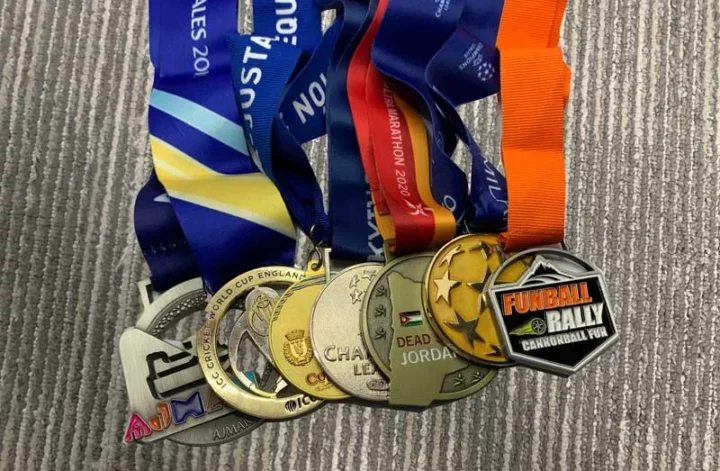
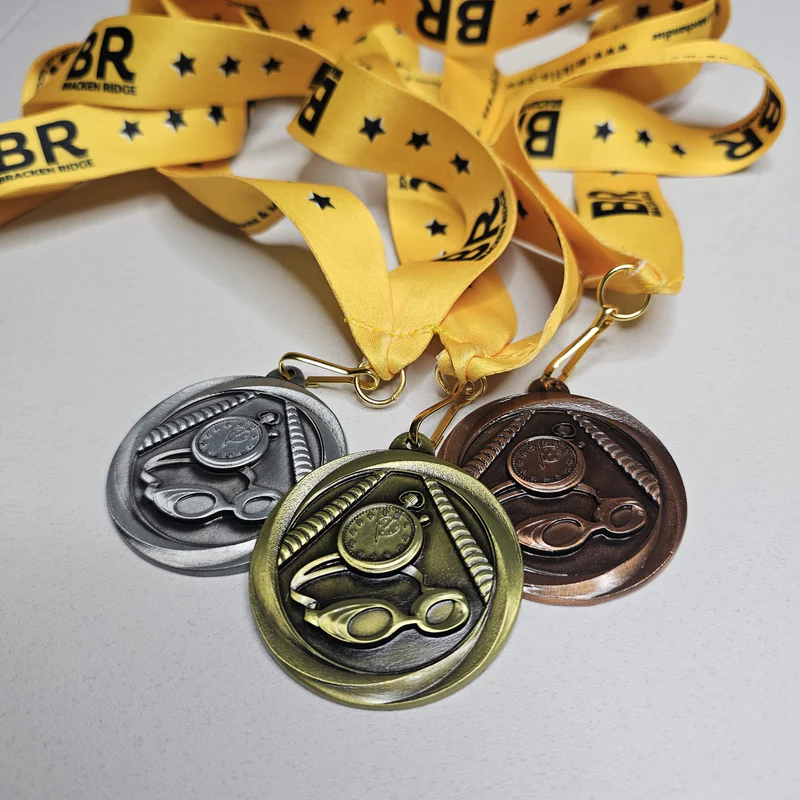
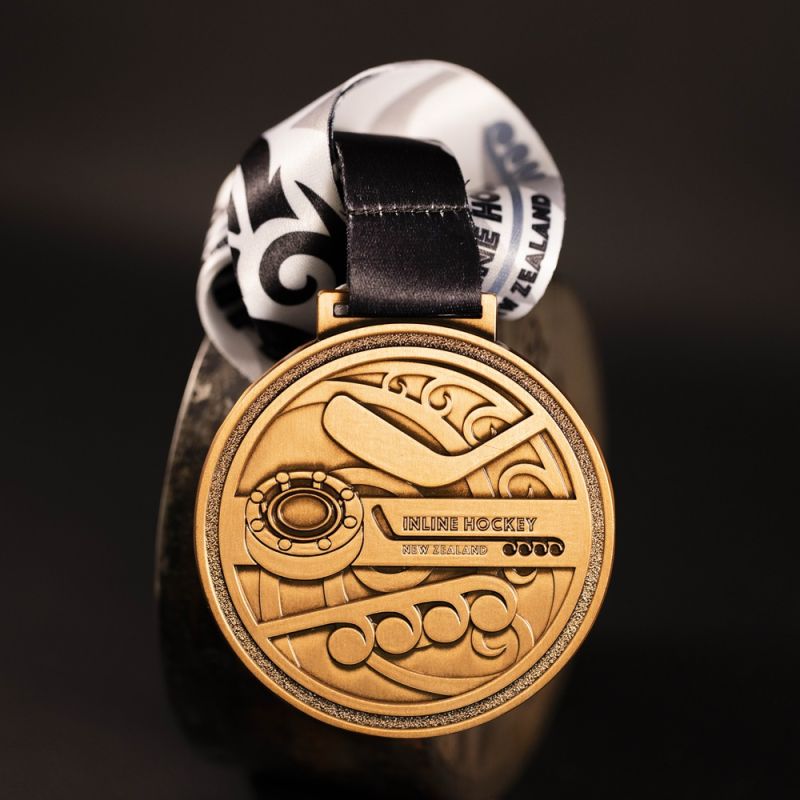
This guide breaks down how teams can create custom medals in Australia that actually stand out, without overcomplicating the process.
What makes a custom medal genuinely stand out?
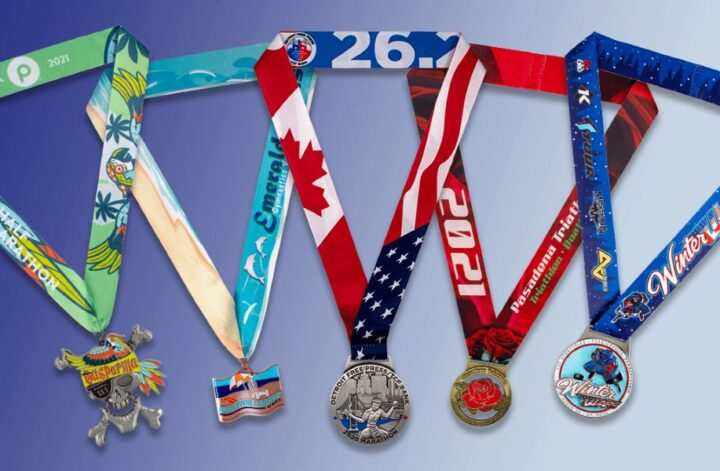
A standout medal is instantly recognisable and clearly tied to the event. It usually has a strong shape, a readable focal point, and at least one premium detail like layering, texture, or custom medals Australia.
Most importantly, it feels intentional. When the theme, date, location, and achievement level are designed in, recipients sense that the award was made for them, not pulled from a template.
How should they choose the right medal size and shape?
They should start with how the medal will be worn and photographed. For most sports events, 60–70 mm feels substantial without being heavy, while 50–55 mm suits kids’ events or large-volume programs.
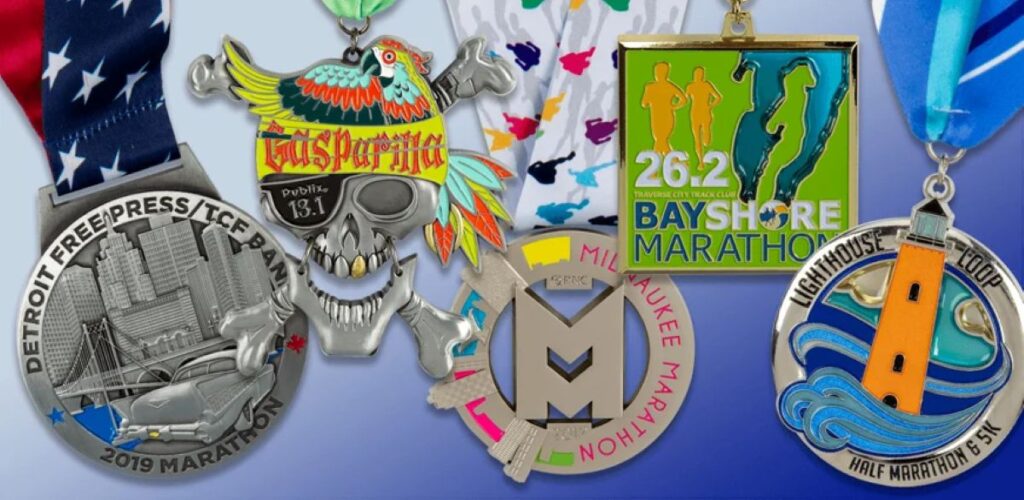
Shape is where memorability comes from. A custom outline (map silhouette, mascot, landmark, or badge shape) often looks more premium than a standard circle, even with the same materials.
Which materials and finishes look premium in Australia?
Zinc alloy is the common choice for custom shapes, good detail, and cost control. Iron can work for simpler designs and tighter budgets, while brass tends to feel higher-end but is used less often due to cost.
For finishes, antique gold or antique silver hide scratches and make detailing pop. Bright gold looks classic but can feel generic if the design is flat. A matte finish can look modern, especially paired with crisp typography.
Should they use enamel, and if so, what type?
Yes, if they want the medal to feel “designed” instead of stamped. Colour creates hierarchy and makes logos and icons clearer at a glance.
Soft enamel gives a textured, slightly recessed feel and is often the best value for Australian events. Hard enamel is smoother and more “jewellery-like,” usually better for premium awards or corporate recognition where the medal needs a polished, glossy finish.
How can they make the front design clearer and more memorable?
They should design around one main idea: the event mark, a strong icon, or a clear title. If everything competes, nothing reads.
Good medals usually follow three rules:
One focal element they can recognise from a distance
A clear event name or acronym that is readable at arm’s length
Simple depth changes like raised borders, layered plates, or textured backgrounds
Small details matter, but only after the main read works.
What should they put on the back of the medal?
The back is where meaning and personal relevance can live. They can include the event date, location, distance, division, or a short line that captures the achievement.
If they want to level up the “keepsake” value, they can add:
A blank area for engraving
Sequential numbering for limited runs
A QR code that links to results, photos, or a highlight video
Back design is often neglected, but it is one of the easiest ways to make an award feel custom.
How do they choose a ribbon that does not look generic?
They should treat the ribbon like part of the design, not an accessory. A ribbon in event colours instantly makes the medal feel branded and photo-ready.
They can choose:
Dye-sublimated ribbons for full-colour patterns, gradients, and sponsor marks
Woven ribbons for a more traditional look with strong durability
Printed ribbons for simple logos and text
Width matters too. A wider ribbon can make a medal look more premium, while narrow ribbons can feel light and less substantial.
How can they handle sponsor logos without ruining the design?
They should decide early whether sponsors belong on the medal or only on the ribbon and packaging. Overcrowding the front with logos usually cheapens the result.
A cleaner approach is to:
Put the main sponsor on the ribbon
Place smaller sponsors on the back rim or outer ring
Use a simplified sponsor mark (icon-only) instead of full lockups
If the medal must include multiple sponsors, they should reserve a dedicated “sponsor zone” so the main artwork stays strong.
What production details should they confirm with Australian suppliers?
They should ask for a digital proof and, if timing allows, a pre-production sample. They should also confirm the manufacturing method (die struck, die cast, printed insert) because it affects depth and durability.
Key checks before approval:
Exact dimensions and thickness
Finish colour (bright vs antique)
Enamel type and colour matching
Ribbon attachment style (ring, bale, integrated)
Packaging choice and delivery timelines
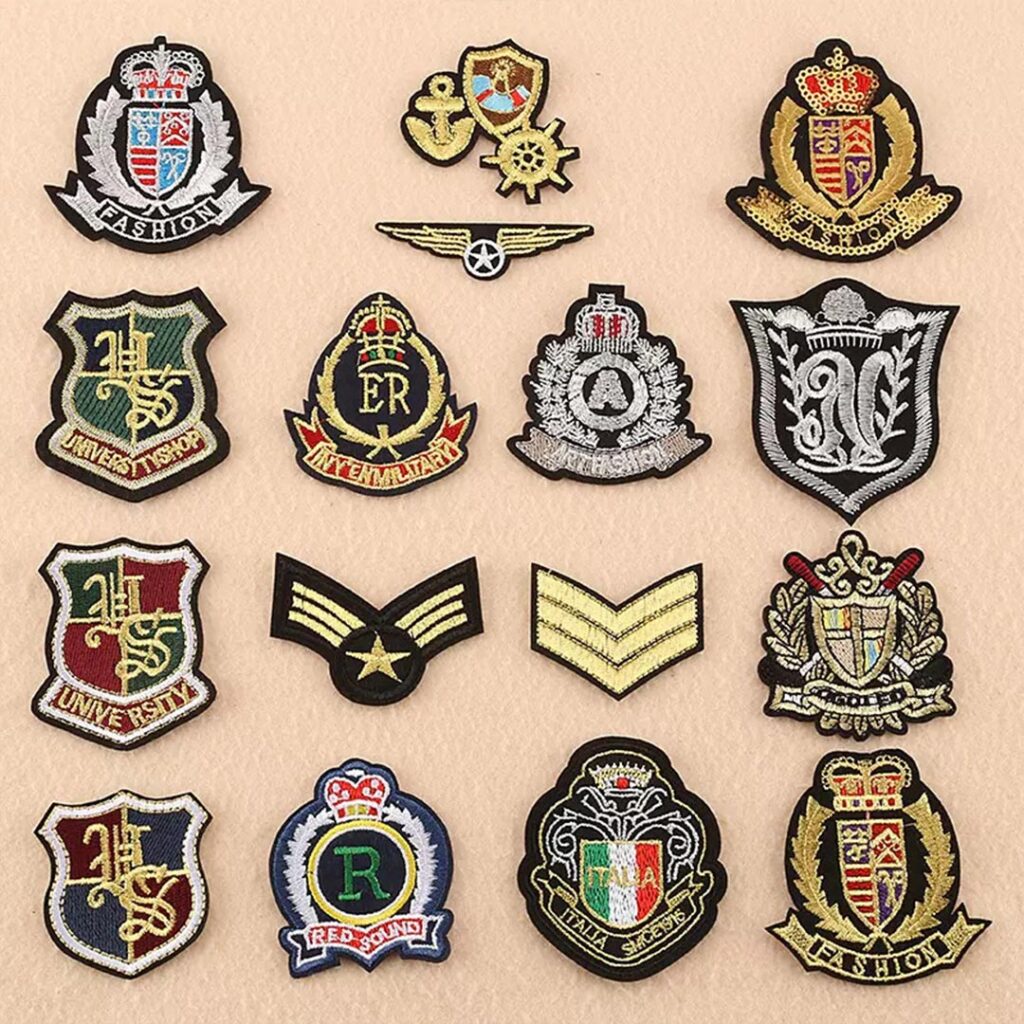
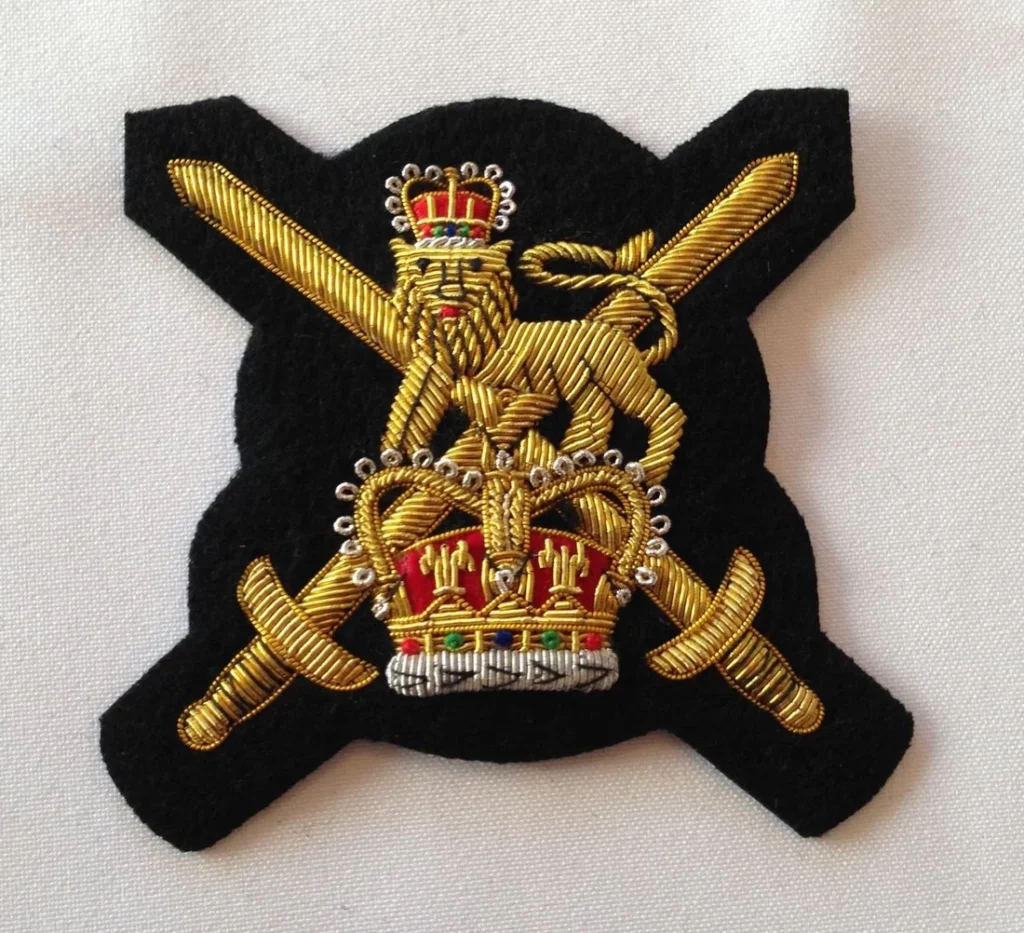
Clear approvals reduce surprises, especially when deadlines are tied to event dates. Learn more about blazer badges made to order: what to look for in quality.m
How should they plan timelines for custom medals in Australia?
They should work backwards from event day and build in buffer time. Even when suppliers offer express production, artwork revisions and approvals can add days.
A practical planning window is:
1–2 weeks for concept, design, and approvals
3–6 weeks for production depending on complexity and quantities
1 week buffer for shipping, sorting, and spares
If they need medals fast, they should simplify shape, reduce enamel complexity, and standardise finishes across tiers.
What is the best way to keep custom medals within budget?
They should pick one “hero feature” and keep everything else simple. A custom shape plus antique finish can look premium without heavy enamel. Or they can use a standard shape with one raised 3D element to create depth.
Budget levers they can control:
Size and thickness
Number of colours and enamel type
Custom ribbon printing vs plain stock ribbons
Packaging (basic polybag vs presentation box)
Quantity and tier variations
Spending a little more on design clarity usually saves money compared to adding extra features to a weak concept.
How can they add tiers (gold, silver, bronze) without designing three medals?
They can keep the same mould and change finishes, ribbon colours, or small enamel accents. This keeps costs predictable and the set visually consistent.
Common tier strategies include:
Same medal, three finishes (gold, silver, bronze)
Same finish, different ribbon colours per division
Same medal, small enamel tab or insert that indicates category
Recipients still feel the difference, but production stays efficient.
What is the simplest checklist they can follow to create standout awards?
They should aim for clarity first, then add one memorable detail. If the medal reads well from a distance and feels solid in hand, it already stands out.
A simple checklist:
Clear focal point on the front
Event name and year included
One premium detail (shape, layering, texture, or enamel)
Back design that adds meaning (date, place, engraving area)
Ribbon that matches event branding
Proofs approved with sizes, finishes, and timelines confirmed
When they treat the medal as a designed product, not just a token, the result usually looks and feels like a real achievement.
FAQs (Frequently Asked Questions)
What makes a custom medal genuinely stand out in Australia?
A standout custom medal in Australia is instantly recognisable and clearly tied to the event. It features a strong shape, a readable focal point, and at least one premium detail like layering, texture, or enamel. Most importantly, it feels intentional with design elements such as theme, date, location, and achievement level included to make recipients feel the award was made specifically for them.
How do I choose the right size and shape for custom medals in Australian events?
Start by considering how the medal will be worn and photographed. For most sports events in Australia, a size of 60–70 mm feels substantial without being heavy. For kids’ events or large-volume programs, 50–55 mm is suitable. The shape contributes to memorability; opting for a custom outline like a map silhouette, mascot, landmark, or badge shape often looks more premium than a standard circle.
Which materials and finishes are recommended for premium-looking custom medals in Australia?
Zinc alloy is commonly used for custom shapes offering good detail and cost control. Iron suits simpler designs and tighter budgets. Brass provides a higher-end feel but is less common due to cost. Finishes like antique gold or antique silver hide scratches and enhance detailing. Bright gold offers a classic look but can feel generic if flat. Matte finishes paired with crisp typography create a modern appearance.
Should enamel be used on custom medals, and what types are best for Australian events?
Yes, enamel adds a designed feel rather than a stamped look. Colour improves hierarchy and clarity of logos and icons. Soft enamel provides a textured, slightly recessed finish and is often the best value for Australian events. Hard enamel is smoother and more jewellery-like, ideal for premium awards or corporate recognition requiring a polished glossy finish.
What design tips help make the front of custom medals clearer and more memorable?
Focus on one main idea such as the event mark, strong icon, or clear title to avoid competing elements. Good medals follow three rules: have one focal element recognizable from a distance; include a clear event name or acronym readable at arm’s length; incorporate simple depth changes like raised borders, layered plates, or textured backgrounds. Prioritize main readability before adding small details.
How can sponsors be incorporated into custom medal designs without compromising aesthetics?
Decide early whether sponsors appear on the medal or only on ribbons and packaging. Avoid overcrowding the front with logos as it cheapens the design. A cleaner approach places the main sponsor on the ribbon, smaller sponsors on the back rim or outer ring using simplified icon-only marks instead of full logos. If multiple sponsors must be included on the medal, reserve a dedicated ‘sponsor zone’ to maintain strong main artwork.
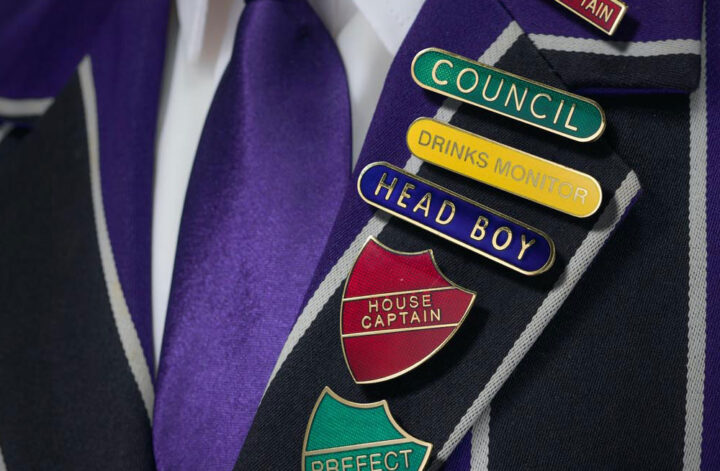
What does “made to order” really mean for blazer badges?
It should mean the badge is produced to a specific size, color palette, edge finish, and backing that suits the exact blazer and purpose. A quality maker will confirm artwork, thread colors, border style, and attachment method before production. If they only ask for a logo file and nothing else, the result is often generic and less durable.
Which badge type looks best on a blazer?
For blazers, embroidery is the classic choice because it reads as textured and formal at close range. blazer badges made to order work well for small text and fine crests, since they can hold detail with a flatter finish. Printed badges can match gradients, but they typically look less traditional and can wear faster unless protected with a quality top layer.
How can stitch density and thread quality be judged?
Higher stitch density generally creates cleaner edges, smoother fills, and better longevity, especially on curved letters and fine borders. Quality thread resists fading and fuzzing, and it keeps color consistent across batches. Buyers should ask for close-up photos of similar badges and check if curves look crisp rather than jagged or “gapped.”
Why does the base fabric matter more than most people think?
The base fabric affects how the badge sits on the blazer and how it ages. Stiffer twill can keep a sharp silhouette but may feel bulky on lightweight blazers. Softer felt can look traditional but can pill if low grade. A good supplier recommends a base that matches the blazer weight and avoids puckering.
What edge finish should buyers choose for a clean border?
Merrowed edges create a raised, rounded border that is durable and traditional, but they can slightly reduce detail near the perimeter. Cut edges with satin stitching allow sharper shapes and tighter corners, often preferred for modern crests. Heat-cut edges can be clean on synthetics, but quality depends heavily on the backing and finishing.
How important is accurate color matching?
It is critical for crests, school colors, clubs, and brand standards. Screens lie, so quality suppliers match to thread charts or Pantone references and confirm substitutions if a perfect match is not available. Buyers should request a proof that lists thread colors, not just a digital mockup.
Which backing and attachment method lasts the longest?
Sew-on backing is usually the most secure for blazers, especially with frequent wear or dry cleaning. Iron-on can work, but it depends on adhesive quality and heat compatibility with blazer fabric, and it can lift at corners over time. Velcro is practical for interchangeable badges, but it adds thickness and can distort drape unless the blazer is built for it.
How can buyers ensure the badge sits flat on the blazer?
A badge sits flat when its backing stiffness matches the garment and the attachment method is appropriate. Excessively rigid backings can cause “tenting” on curved chest areas, while very soft badges can ripple. Buyers should share where the badge will be placed, the blazer fabric type, and whether the blazer will be tailored after application.
What should be checked in a sample before approving a full run?
A sample should be checked for border smoothness, legible small text, clean internal corners, and consistent fill direction. The badge should not show loose threads, exposed base fabric through fills, or uneven thickness. If the badge includes metallic thread, buyers should check for scratching, snagging, and dull patches under normal light.
How do minimum order quantities and pricing relate to quality?
Very low pricing often signals lower stitch density, cheaper thread, or minimal quality control. Small runs can still be high quality, but they usually cost more per unit because setup and digitizing are spread across fewer pieces. Buyers should ask what is included, such as digitizing, thread matching, sew-on backing, and pre-production approval.
What questions should buyers ask a supplier before ordering?
They should ask which badge construction is recommended for a blazer, what stitch density range will be used, and how fine details will be handled. They should also ask for thread charts, edge options, backing choices, and sample timelines. Finally, they should ask how defects are handled and whether remakes are offered for production issues. Learn more about custom medals Australia: how to create awards that stand out.
What are common mistakes that make custom blazer badges look cheap?
The biggest mistakes are choosing the wrong badge type for fine detail, approving colors from a screen without thread confirmation, and using an edge finish that crowds the design. Another common issue is picking a backing that is too stiff or too thick for the blazer fabric. Rushed approval without a sample or close-up photos often leads to avoidable quality problems.
What should buyers do next to place a confident order?
They should start by choosing the badge type that fits the level of detail and the blazer’s formality, then lock size and placement. Next, they should confirm thread colors from a chart, select an edge finish that supports the shape, and choose a backing that matches wear and cleaning needs. If possible, they should approve a sample, then proceed to the full run with clear quality expectations.
FAQs (Frequently Asked Questions)
What does ‘made to order’ mean when ordering custom blazer badges?
Made to order means the badge is produced specifically to the requested size, color palette, edge finish, and backing that suit the exact blazer and its purpose. A quality maker confirms artwork, thread colors, border style, and attachment method before production to ensure durability and a tailored look.
Which type of badge is best suited for blazers?
Embroidery is the classic choice for blazers because it offers a textured and formal appearance at close range. Woven badges are ideal for small text and fine crests due to their ability to hold detail with a flatter finish. Printed badges can match gradients but usually look less traditional and may wear faster unless protected by a quality top layer.
How can buyers assess stitch density and thread quality in blazer badges?
Higher stitch density results in cleaner edges, smoother fills, and better longevity, especially on curved letters and fine borders. Quality thread resists fading and fuzzing while maintaining consistent color across batches. Buyers should request close-up photos of similar badges to check if curves appear crisp rather than jagged or gapped.
Why is the base fabric important for blazer badges?
The base fabric influences how the badge sits on the blazer and how it ages over time. Stiffer twill keeps a sharp silhouette but may feel bulky on lightweight blazers, while softer felt offers a traditional look but can pill if low grade. Selecting a base that matches the blazer’s weight helps avoid puckering and ensures a clean fit.
What edge finishes are recommended for clean borders on blazer badges?
Merrowed edges provide a durable, raised, rounded border with a traditional look but may reduce detail near the perimeter. Cut edges with satin stitching allow sharper shapes and tighter corners, preferred for modern crests. Heat-cut edges can be clean on synthetics but depend heavily on backing quality and finishing techniques.
How important is accurate color matching in custom blazer badges?
Accurate color matching is critical for crests, school colors, clubs, and brand standards. Since screens can be misleading, quality suppliers match thread colors using thread charts or Pantone references and confirm any substitutions. Buyers should request proofs listing thread colors rather than relying solely on digital mockups to ensure fidelity.
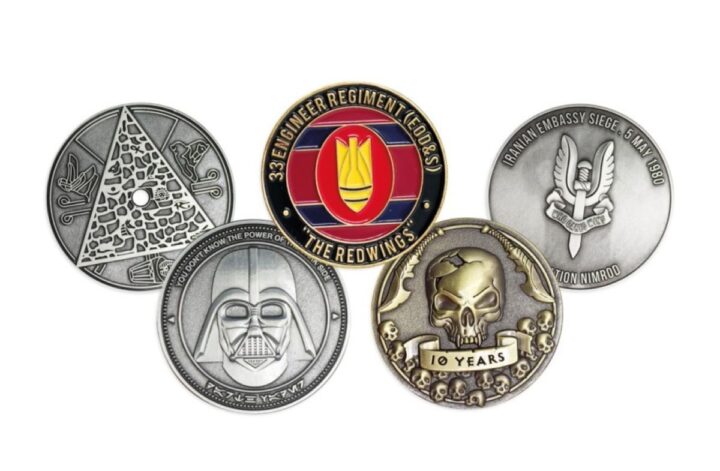
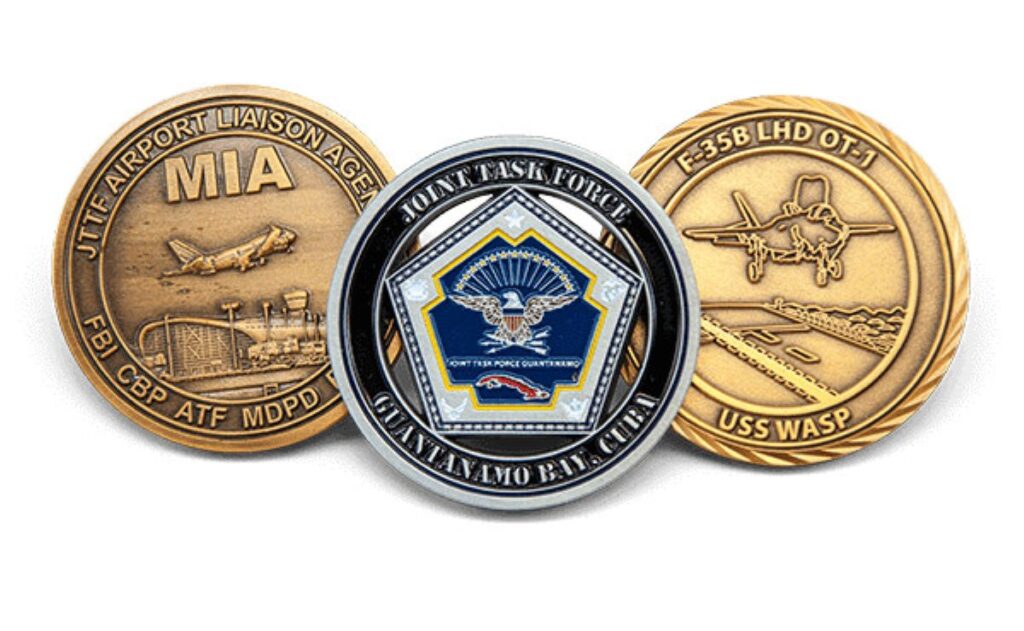
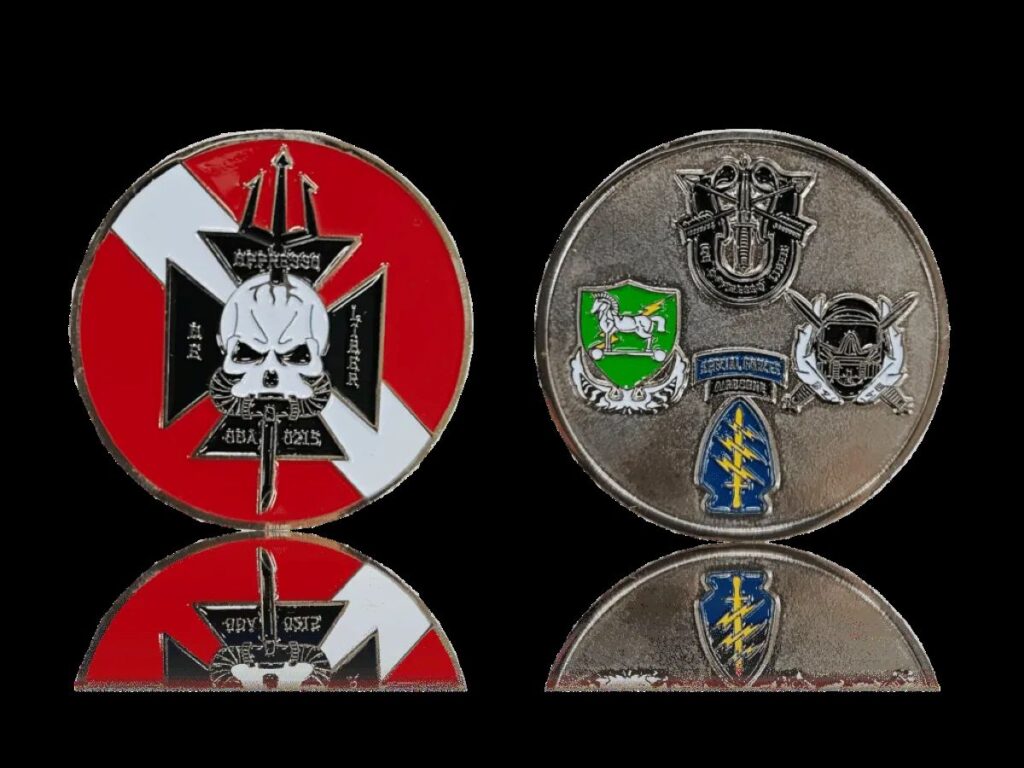
Custom challenge coins are specially designed metal tokens created to commemorate events, honour achievements, or represent organisations. These tangible keepsakes feature personalised artwork, text, and symbols that carry meaningful value for their recipients, making them ideal for recognition, branding, and commemoration.
The meaning behind custom challenge coins extends far beyond simple metal discs. In military settings, they symbolise unit membership, shared experiences, and camaraderie among service members. In corporate environments, custom challenge coins are often used as branded merchandise to reinforce company identity, reward performance, and recognise employee milestones. Special occasions such as weddings, anniversaries, and sporting championships also use custom challenge coins as memorable keepsakes that guests and participants treasure for years.
Why do custom coins maintain such enduring appeal?
Their versatility makes them suitable for countless applications. A single design concept can serve multiple purposes simultaneously:
Recognition tools that acknowledge exceptional performance or service
Marketing assets that promote brand awareness at trade shows and conferences
Fundraising items for charities and non-profit organisations
Collectible memorabilia that appreciates in sentimental value over time
Membership tokens that create a sense of belonging within groups
The tactile nature of custom coins sets them apart from digital alternatives. Recipients can hold, display, and carry these physical tokens, creating lasting emotional connections. Unlike paper certificates or digital badges that fade or get deleted, metal coins endure as permanent reminders of significant moments.
Uses of custom coins have expanded dramatically beyond their military origins. Businesses distribute them as unique promotional tokens that stand out in crowded markets. Schools award them for academic excellence. First responders exchange them to build inter-agency relationships. The compact size and durability make them ideal for any situation requiring a meaningful, portable keepsake.
How to Determine the Purpose and Design of Your Custom Coins?
Why does defining your coin’s purpose matter before designing?
The coin design purpose shapes every subsequent decision, from material selection to imagery choices. A military challenge coin requires different symbolism than a corporate promotional token or wedding commemorative piece. Without a clear purpose, designs risk becoming generic or failing to resonate with their intended audience.
For instance, the imagery used in a design can carry significant weight in conveying its purpose. It’s important to select symbols that resonate with the intended message. For example, a symbol like an eagle representing freedom could be perfect for a military coin, while a heart might be more suitable for a wedding token. On the other hand, if you’re trying to symbolize something more nuanced like mental health struggles, you’ll need to choose your imagery carefully.
What design elements should you include on your custom coins?
The most effective coins balance meaningful components without creating visual clutter. Here are some key design elements to consider:
Logos: Serve as immediate identifiers for organisations or brands, establishing instant recognition.
Mottos and taglines: Communicate core values or mission statements in concise, memorable phrases.
Dates: Anchor coins to specific moments—anniversaries, founding years, or event dates—transforming them into historical markers.
Symbolism through imagery: Convey deeper meaning with carefully chosen symbols such as eagles representing freedom, anchors signifying stability, or crossed swords denoting military service.
How do you select appropriate imagery and text?
Start by listing three to five elements that best represent your purpose. For example, a fire department coin might feature:
Department badge or emblem
Establishment date
Service motto (“Courage Under Fire”)
Flame or ladder imagery
Location or station number
Prioritise elements by importance, placing primary symbols in central positions where they’ll receive maximum visibility. Secondary details work well along edges or on reverse sides.
What shapes work best for different purposes?
Round coins remain the traditional choice, offering balanced design space and comfortable handling. They suit formal occasions, military units, and classic commemorative pieces.
Square coins create modern, distinctive profiles that stand out in collections—ideal for corporate branding or contemporary events.
Custom shapes elevate uniqueness: badge outlines for law enforcement, shield shapes for security firms, or state silhouettes for regional organisations.
How does shape influence design possibilities?
Round coins distribute visual weight evenly, allowing symmetrical designs that feel balanced. Square formats provide defined corners perfect for text placement or decorative elements. Custom shapes integrate the outline itself as part of the symbolism—a guitar-shaped coin for a music festival immediately communicates its purpose before viewers read any text.
What mistakes should you avoid during the purpose-definition phase?
Attempting to serve multiple audiences dilutes impact. A coin designed simultaneously for employees, clients, and general public may end up lacking focus and effectiveness in conveying its intended message.
What Materials and Production Methods Should You Consider for Your Custom Coins?
The choice of coin materials directly affects the appearance, durability, and cost of your finished product. Metal finishes range from luxurious gold and rose gold to more subdued options like antique silver, antique nickel, and matt silver. Black dye plating creates dramatic contrast for modern designs, whilst coloured plating allows for vibrant, eye-catching pieces. Each material brings distinct characteristics—gold finishes convey prestige, nickel variants offer durability at lower costs, and antique finishes provide a vintage aesthetic that suits commemorative pieces.
Single-Sided vs Double-Sided Designs
Single-sided coins feature artwork on one face with a plain or textured reverse, making them cost-effective for simpler projects. Double-sided designs maximise visual real estate by incorporating different images, text, or symbols on each face. Military units often use double-sided coins to display their emblem on one side and a motto or mission statement on the reverse. Corporate coins might feature a company logo on the front and employee recognition details on the back. The choice depends on how much information you need to convey and your budget constraints.
Production Techniques for Coins
Die-struck coins represent the traditional minting method where metal is stamped under high pressure, creating raised and recessed areas. This technique produces crisp, detailed designs with excellent depth and dimension. Die-struck coins work particularly well for intricate logos and fine text, though extremely complex designs may require simplification to maintain clarity during production.
Enamel colouring transforms plain metal coins into vibrant pieces through the application of coloured resins. Soft enamel sits below the metal edges, creating a textured surface you can feel, whilst hard enamel is polished flush with the metal for a smooth finish. Soft enamel costs less and provides a tactile quality, making it popular for collectibles. Hard enamel offers superior durability and a premium appearance suited to high-end corporate gifts or awards.
3D modelling methods push beyond flat designs by incorporating multiple levels of relief and sculptural elements. These coins can feature portraits, buildings, or complex scenes with remarkable depth. A military coin might showcase a three-dimensional aircraft rising from the surface, or a corporate piece could display a product.
How to Create an Effective Design for Your Custom Coins?
What coin size and shape works best for your project?
The dimensions of your custom coin directly influence both its visual impact and production cost. Standard sizes range from 1.5 to 2 inches in diameter, with 1.75 inches being the most popular choice for challenge coins. Larger coins provide more space for intricate details but increase material costs and weight, whilst smaller coins are budget-friendly yet limit design complexity.
Shape selection depends on your coin’s purpose and branding requirements. Traditional round coins offer timeless appeal and balanced design space, making them ideal for military units and corporate recognition. Square or rectangular shapes create a modern aesthetic suitable for promotional campaigns. Custom shapes—such as shields, badges, or product silhouettes—deliver maximum brand recognition but require additional tooling costs.
Consider how recipients will carry and display your coins. Pocket-friendly sizes (1.5-1.75 inches) encourage daily carry, strengthening emotional connections. Display pieces can reach 3-4 inches, creating impressive desk ornaments or shadow box centrepieces.
How do you balance text and imagery without overcrowding?
Effective coin artwork submission starts with understanding spatial limitations. A cluttered design diminishes readability and visual appeal, particularly on smaller coins. The 60-40 rule serves as a reliable guideline: allocate 60% of space to your primary element (logo, emblem, or central image) and 40% to supporting text or secondary graphics.
Key spacing principles:
Maintain minimum 2mm borders from coin edges to prevent detail loss during production
Limit text to essential information—organisation name, date, motto, or brief inscription
Use font sizes no smaller than 8-point for legibility
Create visual hierarchy through size variation between primary and secondary elements
Incorporating visual elements like color, shape, line, texture, space, form, and value into your design can significantly enhance its effectiveness. Negative space functions as a design element rather than wasted area. Strategic spacing around images and text creates breathing room that enhances focus on important details. Military challenge coins often feature a central emblem surrounded by a ring of text, demonstrating how structured layouts prevent visual chaos.
Test your design by reducing it to actual coin size on screen or paper. Elements that appear clear at full size may blur or merge when scaled down. Simplify complex logos by removing fine lines or intricate details that may not reproduce well in small sizes.
What Steps Should You Follow When Working with a Minting Service?
How do you submit your design to a minting company?
Most minting services accept design submissions through online portals, email, or direct consultation. You can upload your design files in formats like AI, JPEG, PNG, or PDF through their website’s submission form. If you don’t have a digital design ready, many companies accept hand-drawn sketches, photographs of existing coins, or even written descriptions of your vision.
The submission process typically requires basic information about your project:
Quantity needed for your order
Preferred material and finish (gold, silver, antique nickel, etc.)
Size specifications for your coins
Timeline requirements for delivery
Special features like enamel colours, 3D elements, or edge designs
Some minting services offer free design consultations where you can discuss your ideas directly with their design team. This approach works particularly well when you have a concept but lack the technical skills to create production-ready artwork.
What happens during the design refinement process?
The minting service’s design team reviews your submission and makes necessary adjustments to ensure manufacturability. They convert your artwork into a production-ready format that accounts for the technical limitations and possibilities of the minting process. This includes adjusting line weights, spacing between elements, and ensuring text remains legible at the chosen coin size.
Design adjustments commonly address these technical requirements:
Minimum line thickness that can be struck into metal
Spacing between raised and recessed areas for proper definition
Text size and font selection that remains readable after production
Colour separation for enamel-filled sections
Edge details and border specifications
The design team typically sends you a digital proof showing how your coin will appear after minting. This proof displays the design from multiple angles, shows colour placement, and indicates which areas will be raised or recessed. You’ll receive detailed specifications about dimensions, materials, and any recommended modifications.
How do you communicate changes and preferences?
Clear communication with your minting service ensures your vision translates accurately into the final product. When reviewing initial proofs, provide specific feedback about elements you want adjusted rather than general comments. Point out exact text that needs
When Is It Time to Approve the Final Design and Begin Production?
What should you look for when reviewing your proof?
The mint will send you a digital proof showing exactly how your coin will appear once manufactured. This proof represents your last opportunity to catch errors before production starts, making it crucial to examine every detail with fresh eyes. Check that all text appears correctly spelled, dates are accurate, and images render clearly at the coin’s actual size. Remember, proofing is an essential part of graphic design, serving as a final check before production.
How do you verify text accuracy on your proof?
Read all text backwards to catch spelling mistakes your brain might otherwise autocorrect. This technique forces you to see each word individually rather than reading for meaning. Verify that names, ranks, dates, and motto phrases match your original specifications exactly—even a single misplaced letter or number can render an entire batch of coins unusable.
What design elements require special attention?
Pay close attention to:
Image clarity: Ensure logos and graphics appear sharp without pixelation
Border spacing: Confirm adequate space exists between design elements and coin edges
Text legibility: Verify font sizes remain readable at the coin’s actual dimensions
Colour accuracy: Check that enamel colours match your specifications
Symmetry: Confirm balanced placement of all design elements
Should you involve others in the approval process?
Request feedback from colleagues or team members who haven’t seen the design previously. Fresh perspectives often spot errors that become invisible after repeated viewings. Have at least two people review the proof independently, then compare their findings to ensure nothing gets overlooked.
What questions should you ask the mint before approval?
Clarify any aspects of the proof that appear different from your expectations. Ask whether certain design elements can be adjusted without restarting the entire proof process. Confirm the production timeline once you provide final design approval so you can plan distribution accordingly.
How do you formally approve the design?
Most mints require written confirmation—typically via email or their online system—before initiating the production start for custom coins. Never provide approval verbally without documentation. Request a final proof revision if you identify any issues, as changes become impossible once manufacturing begins.
How Are Custom Coins Delivered and Used After Production?
Once production wraps up, minting companies carefully package your custom coins to prevent damage during transit. Most mints use protective materials like individual plastic capsules, velvet pouches, or presentation boxes depending on your order specifications and budget.
What Packaging Options Protect Your Coins During Shipping?
Professional mints typically offer several packaging tiers for the coin delivery process. Standard options include bulk packaging in sealed plastic bags, whilst premium choices feature individual capsules, display cases, or custom presentation boxes with foam inserts. The packaging you select should align with how you plan to distribute the coins—bulk orders for promotional giveaways might need simple protection, whilst commemorative pieces deserve more elegant presentation.
How Long Does the Shipping Process Usually Take?
Delivery timeframes vary based on your location and chosen shipping method. Domestic shipments within the same country often arrive within 5-10 business days using standard postal services, whilst express courier options can reduce this to 2-3 days. International orders may require 2-4 weeks depending on customs processing and destination. Most reputable minting services provide tracking information so you can monitor your shipment’s progress.
What Happens If Your Coins Arrive Damaged?
Quality mints stand behind their products with damage guarantees. Inspect your order immediately upon arrival and photograph any issues before contacting the company. Established minting services typically replace damaged coins at no additional cost when you report problems within a specified timeframe, usually 7-14 days after delivery.
How Can You Effectively Distribute Your Custom Coins?
The distribution of custom coins depends entirely on their intended purpose. Military units present them during ceremonies to recognise service members’ achievements. Corporations hand them out at trade shows, conferences, or as employee recognition awards. Event organisers distribute them as memorable keepsakes to attendees, speakers, or sponsors.
Consider these distribution strategies:
Direct presentation: Hand coins personally during ceremonies or meetings to add significance
Gift packaging: Include coins in welcome kits, swag bags, or corporate gift sets
Retail sales: Display coins in protective cases with certificates of authenticity for collectors
Fundraising: Sell commemorative coins to support charitable causes or community projects.
Why Should You Consider Custom Medals for Your Next Award Ceremony?
Custom medals provide a powerful way to honour achievements whilst creating lasting impressions that generic awards simply cannot match. When planning your next award ceremony, understanding the impact of recognition is essential.
Awards play a crucial role in acknowledging hard work, dedication, and outstanding performance. They validate effort, inspire continued excellence, and create a culture of appreciation within organisations, schools, sports teams, and community groups. Recognition through awards strengthens relationships between organisations and their members.
Today’s Award Options
TodaToday’s award options include:
Traditional trophies – classic but often bulky and difficult to display
Certificates – affordable yet easily damaged or easily forgotten
Plaques – professional in appearance but limited in portability
Glass awards – elegant, yet fragile and often expensive
Custom medals – versatile, durable, and highly personal
For organizations and event planners looking to buy custom medals, they have become the preferred choice for award ceremonies across many industries. Custom medals combine the prestige of traditional awards with modern personalisation options, striking the ideal balance between professional presentation and lasting sentimental value. Unlike generic trophies, personalised medals can be designed to reflect specific achievements, showcase branding, and create a meaningful emotional connection with recipients.
The versatility of custom medals makes them suitable for any occasion—from corporate recognition programmes and academic achievements to sporting events and community celebrations. When you buy custom medals, their compact size makes them easy to display, while their durable construction ensures they remain treasured keepsakes for years to come.
What Makes Custom Medals More Personal and Meaningful?
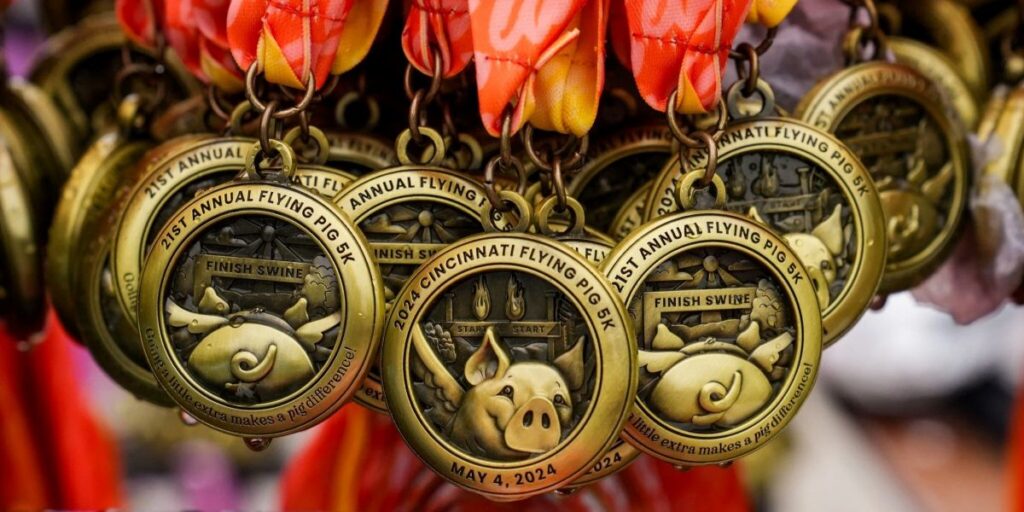
Custom medals transform generic recognition into deeply personal tributes by incorporating specific details about the recipient and their achievement. Personalisation options include engraving individual names, specific accomplishments, competition dates, and finishing positions directly onto the medal surface, creating a unique artefact that belongs exclusively to one person.
The sentimental value of an award multiplies when it reflects the recipient’s individual journey. A runner who completes their first marathon will treasure a medal featuring the event name, their completion time, and the race date far more than a standard participation award. This emotional connection stems from seeing their personal story etched into a physical object they can hold and display.
Tailored medals offer numerous design elements that mirror specific achievements:
Sport-specific imagery: Swimming medals featuring pool lanes, running medals with finish line graphics, or cycling medals incorporating wheel designs
Achievement levels: Distinct colours or ribbon styles denoting gold, silver, bronze, or participation categories
Organisational logos: Company emblems, school crests, or charity symbols that connect the award to its source
Event themes: Seasonal motifs, anniversary markers, or campaign-specific artwork that captures the occasion’s unique character
Custom shapes: Die-cut designs that break from traditional circular formats—stars for excellence, shields for protection services, or custom silhouettes representing specific industries
The depth of customisation extends to material choices and finishing techniques. Antique bronze finishes suit historical commemorations, whilst polished silver or gold plating elevates corporate recognition events. Dual-plating techniques can highlight raised design elements, creating visual depth that catches light and draws attention to specific details.
Meaningful awards incorporate text that speaks directly to the recipient’s contribution. Rather than generic phrases like “First Place,” custom medals can feature motivational quotes, organisational values, or achievement-specific language such as “Decade of Dedicated Service” or “Innovation Champion 2024.” These words reinforce why the recognition matters and what values the organisation celebrates.
Colour customisation through enamel fills adds another layer of personalisation. Team colours, corporate brand palettes, or symbolic hues (green for environmental achievements, blue for healthcare excellence) create immediate visual associations that strengthen the medal’s connection to its purpose and the recipient’s identity within that context.
How Do Custom Medals Boost Morale and Engagement Among Recipients?
Custom medals create a powerful morale boost by triggering the brain’s reward system, releasing dopamine that reinforces positive feelings about achievements. When recipients receive a personalised medal bearing their name and specific accomplishment, they experience immediate validation that their efforts matter and have been noticed by leadership.
The Psychology Behind Recognition Impact
The human need for recognition runs deep in workplace dynamics and competitive environments. Personalised awards activate what psychologists call “intrinsic motivation”—the internal drive to perform well because the work itself feels rewarding. A custom medal transforms abstract appreciation into a tangible symbol that recipients can hold, display, and revisit whenever they need a reminder of their capabilities.
Research in organisational psychology demonstrates that employee engagement increases significantly when recognition feels authentic and specific. Generic certificates or mass-produced trophies often fail to create this connection because they lack personal relevance. Custom medals address this gap by incorporating details that speak directly to individual achievements:
Engraved dates that mark specific milestones
Custom ribbons in team or department colours
Unique designs reflecting the nature of the accomplishment
Personal messages from leadership or colleagues
Building Confidence Through Visible Achievement
Recipients who display their custom medals experience ongoing confidence reinforcement. Unlike digital recognition that disappears in email archives, a medal remains visible on office walls, home displays, or in shadow boxes. This constant visual reminder strengthens the recipient’s professional identity and self-perception as a high performer.
The physical weight and quality of a well-crafted medal adds to its psychological impact. When someone holds a substantial, beautifully designed medal, they feel the gravity of their achievement reflected in the award itself. This sensory experience creates a stronger memory trace than purely visual or verbal recognition.
Fostering Loyalty and Sustained Motivation
Custom medals cultivate loyalty by demonstrating that organisations invest time and resources into celebrating individual contributions. When employees or team members see that leadership has commissioned personalised awards rather than selecting generic options, they interpret this as evidence that their specific contributions are valued—not just their role as interchangeable workers.
The recognition impact extends beyond the ceremony itself. Recipients often share photos of their custom medals on social media, discuss them with family and friends, and reference them during performance reviews or job interviews.
Why Are Custom Medals Considered Unique and Memorable Keepsakes?
Custom medals become cherished items that recipients keep for many years, often displaying them prominently in their homes or offices. Unlike generic awards that may end up in storage boxes, these personalised pieces become conversation starters and sources of pride.
Built to Last Through the Years
The physical durability of custom medals sets them apart from paper certificates or plastic trophies. Quality medals crafted from metals like bronze, silver, or gold-plated alloys resist tarnishing and damage. A medal earned at a corporate achievement ceremony in 2015 looks nearly identical today, maintaining its lustre and significance. This longevity ensures the award continues representing the recipient’s accomplishment decades later.
Medals designed with proper finishes and protective coatings withstand regular handling without deteriorating. Recipients can touch, hold, and admire their awards repeatedly without worrying about fading text or crumbling materials. The substantial weight and solid construction of metal medals convey permanence and importance.
Physical Reminders That Spark Memories
Each custom medal serves as a tangible connection to a specific moment of achievement. When recipients see their medal displayed on a shelf or wall, they instantly recall the ceremony, the applause, and the emotions they felt. A sales manager might glance at their “Top Performer 2023” medal during a challenging day and remember their capability to excel.
These unique awards capture milestone moments in ways digital certificates cannot. The three-dimensional nature of medals makes them interactive keepsakes—recipients can hold them, feel their weight, and examine intricate design details. A marathon finisher’s medal with the race date and location engraved becomes a physical bookmark in their personal story.
Standing Apart from Standard Recognition
Generic trophies often follow predictable designs: a figure on a base with a small engraved plate. Custom medals break this mould entirely. They can take any shape relevant to the achievement—a star for excellence, a shield for protection services, or a custom silhouette representing the specific industry.
The compact, wearable nature of medals adds another dimension of uniqueness. Recipients can display them on ribbon boards, shadow boxes, or medal hangers that showcase multiple achievements together. A teacher with five years of “Educator Excellence” medals creates a
How Do Custom Medals Improve Brand Awareness and Professional Image During Award Ceremonies?
Custom medals turn award ceremonies into effective branding opportunities by prominently displaying organisational logos, colours, and design elements. When recipients wear or showcase these medals, they become walking ambassadors for your organisation, increasing brand visibility far beyond the ceremony itself.
Strategic Branding Elements in Medal Design
The inclusion of company branding in custom medals creates multiple opportunities for brand recognition:
Logo placement on medal faces ensures instant brand association
Corporate colour schemes reinforce visual identity and brand recall
Taglines or mission statements engraved on medal edges communicate organisational values
Custom shapes that reflect industry-specific symbols or company emblems
These design choices create cohesive visual stories that align with existing marketing materials. A technology company might incorporate circuit board patterns, while a healthcare organisation could feature medical symbols alongside their logo.
Elevating Professional Image Through Quality Awards
The quality and thoughtfulness of custom medals directly reflect organisational standards and values. High-quality medals with precise engraving and premium finishes demonstrate that the organisation values excellence and attention to detail. Recipients and attendees perceive this commitment to quality as an extension of the company’s professional image.
Custom medals also signal investment in employee or participant recognition. Unlike generic awards purchased in bulk, bespoke designs show deliberate planning and genuine appreciation. This perception strengthens the organisation’s reputation as one that prioritises people and celebrates achievements meaningfully.
Reinforcing Company Culture and Values
Award ceremonies featuring custom medals become powerful moments for cultural reinforcement. Medals designed around specific company values—such as innovation, teamwork, or customer service—create tangible connections between abstract principles and individual contributions. A medal honouring “Innovation Excellence” with unique design elements communicates what the organisation truly values.
The ceremony itself gains significance when presenting custom-designed awards. Photographs and social media posts featuring branded medals generate organic marketing content while celebrating achievements. Recipients proudly share images of their personalised medals, creating authentic testimonials that enhance company culture both internally and externally.
Are Custom Medals a Cost-Effective and Flexible Award Option for Your Budget?
Cost-effective medals offer exceptional value regardless of your budget constraints. Modern manufacturers provide multiple material options ranging from economical zinc alloy to premium metals like brass, copper, or even sterling silver, allowing you to select the perfect balance between quality and affordability. The price flexibility means a small community sports club can access the same customisation features as a multinational corporation, simply by choosing materials that align with their financial resources. Visit https://www.ga.gov.au/education/minerals-energy/australian-mineral-facts/zinc to get more about Zinc.
The variety extends beyond materials to include different finishing techniques, sizes, and packaging options. A basic medal with simple engraving might cost just a few pounds per unit, whilst elaborate designs with multiple colours, 3D elements, and premium presentation cases naturally command higher prices. This tiered approach ensures you’re never paying for features you don’t need.
Material Choices That Match Your Budget
Budget-friendly awards come in numerous material grades:
Zinc alloy – economical yet durable, ideal for large-scale events
Iron or steel – slightly heavier with excellent longevity
Brass or copper – mid-range pricing with superior aesthetic appeal
Precious metals – reserved for prestigious ceremonies requiring premium recognition
Each material accepts the same customisation techniques, meaning recipients receive equally personalised awards regardless of the base metal selected.
Quick Turnaround Without Compromising Quality
Flexible design options include expedited production services that accommodate last-minute ceremony planning. Many suppliers now offer rush orders with turnaround times as short as 24-48 hours, though standard production typically takes 7-14 days. This rapid manufacturing capability proves invaluable when unexpected achievements arise or when event timelines shift unexpectedly.
Digital design tools have revolutionised the ordering process, allowing you to visualise your custom medals before committing to production. Online configurators let you experiment with different layouts, colours, and text options in real-time, reducing revision cycles and speeding up approval processes. The ability to make quick design adjustments means you can respond to changing requirements without derailing your timeline.
Bulk ordering further enhances cost efficiency, with per-unit prices decreasing significantly at higher quantities. Organisations planning multiple ceremonies throughout the year can order in advance, securing better rates whilst maintaining inventory for
Conclusion
Custom medals transform award ceremonies from routine events into powerful recognition experiences that resonate with recipients long after the applause fades. The benefits of custom medals in award ceremonies extend beyond simple recognition—they create emotional connections, build lasting memories, and strengthen the bonds between organisations and their people.
Your next award ceremony deserves more than generic recognition. Custom medals offer the perfect blend of prestige, personalisation, and practicality that makes recipients feel genuinely valued. Whether you’re honouring employee milestones, celebrating sporting achievements, or recognising academic excellence, custom medals deliver an experience that standard awards simply cannot match.
The investment in custom medals pays dividends through increased recipient satisfaction, stronger organisational culture, and enhanced event memorability. With flexible design options, quick turnaround times, and budget-friendly choices available, there’s never been a better time to elevate your recognition programme. Start planning your custom medal design today and watch how personalised recognition transforms your next ceremony into an unforgettable celebration of achievement.
Introduction – Why the Right Watercolour Paint Set Matters in 2025
Watercolour painting has never gone out of style, but in 2025, it’s experiencing an exciting resurgence among artists, hobbyists, and students alike. Whether you’re sketching in a travel journal, creating fine art pieces, or experimenting as a beginner, your results depend heavily on the watercolour paint set you choose. With so many options on the market—ranging from budget-friendly starter kits to professional-grade collections—the question is: should you invest in a high-quality set? The short answer: absolutely. A good watercolour kit isn’t just about pretty colours; it’s about pigments, longevity, and the joy of painting without frustration.
What to Look for in a Watercolour Paint Set
Choosing the best watercolour paints isn’t as simple as picking the brightest palette on the shelf. Here are the key factors to consider:
Pigment Quality – High-quality paints have richer pigments that give you better vibrancy and control.
Lightfastness – This measures how resistant colours are to fading over time. If you want your paintings to last, lightfastness is essential.
Transparency & Blendability – True watercolours allow layering and subtle washes without turning muddy.
Portability – Pans are compact and easy to carry, while tubes provide more flexibility in mixing large washes.
Price vs Value – A cheap set may look tempting, but colours can appear dull and wear out quickly. Investing in quality saves you money long term.
Best Watercolour Paint Sets for Beginners
If you’re just starting, you don’t need the most expensive paints, but you do need reliable ones that help you learn without frustration. Here are some excellent beginner watercolour sets for 2025:
Winsor & Newton Cotman Water Colours
Affordable, widely available, and great quality for beginners.
Smooth, consistent pigments that are forgiving while you practice.
Arteza Watercolour Paint Set (36 Pans)
Budget-friendly with a wide colour range.
Comes with a portable tin and brush, perfect for sketchbooks and travel.
Prismacolor Watercolour Paint Set
Beginner-friendly but with vibrant colours that don’t look “student grade.”
Good balance between price and pigment strength.
Best Watercolour Paint Sets for Professionals
For experienced artists, the investment in professional watercolour paints pays off in precision and quality. These sets are well-regarded in 2025:
Daniel Smith Extra Fine Watercolours
Known for unmatched pigment richness and lightfastness.
Includes unique colours like Moonglow and Cascade Green.
Schmincke Horadam Aquarell Set
Professional-grade pans with beautiful transparency and excellent rewetting ability.
Expensive, but worth it for serious artists.
M. Graham Watercolours
Honey-based formula keeps paints moist longer.
Exceptional blending and rich pigment load.
Student vs Professional-Grade Watercolours – Key Differences
The gap between student watercolour sets and professional ones is noticeable:
Pigment Load – Student-grade often contains more fillers, while professional-grade packs in pure pigment.
Lightfastness – Pro paints resist fading for decades, while student paints may fade faster.
Mixing & Transparency – Professionals enjoy smoother blending and clarity.
Price – Students save money upfront, but may find themselves upgrading sooner.
If you’re painting casually, student-grade is fine. If you’re serious about selling or showcasing your art, professional-grade is worth every penny.
Tubes vs Pans: Which is Better?
The eternal debate: should you use watercolour tubes or pans?
Tubes – Great for larger works, intense colour mixing, and big washes. They’re ideal if you go through lots of paint.
Pans – Compact, portable, and perfect for sketching or travel. They’re less messy and last longer for hobbyists.
Many artists actually keep both—pans for convenience and tubes for studio work.
Tips for Getting the Most Out of Your Paint Set
Invest in Good Brushes – A high-quality brush makes just as much difference as your paint.
Use Proper Paper – Regular paper will buckle; use watercolour paper for best results.
Practice Layering – Build depth with multiple transparent washes instead of one heavy stroke.
Keep Your Palette Clean – Muddy colours often come from mixing on a dirty palette.
Experiment – Don’t be afraid to try unconventional colours or new techniques.
FAQs about Watercolour Paint Sets in 2025
Q: Are expensive watercolour paints really worth it? Yes—higher-quality pigments mean better colours, longer-lasting artwork, and less frustration.
Q: Can beginners use professional-grade watercolours? Absolutely. While they’re pricier, they can make learning easier since the colours behave predictably.
Q: What’s the difference between a watercolour kit and a paint set? A kit often includes extras like brushes and paper, while a set is just the paints.
Q: Do watercolours expire? No, but tubes may dry out if left uncapped. Pans last virtually forever.
Conclusion – Unlock Your Creativity with the Right Watercolour Paint Set
In 2025, there’s never been a better time to explore watercolours. From beginner watercolour sets that make learning fun to professional watercolour paints that deliver museum-quality results, the right choice can transform your artistic journey. Whether you prefer tubes or pans, investing in a high-quality watercolour paint set is the key to unlocking vibrant, long-lasting, and expressive art.
So, grab your favourite set, a good brush, and a sheet of watercolour paper—and let your creativity flow.
How Can You Choose the Right Tattoo Studio in Sydney?
Sydney’s tattoo scene is full of artistic energy, with some of Australia’s most talented artists and innovative studios. From the busy streets of Surry Hills to the famous beaches of Bondi, the city’s tattoo culture has grown into a sophisticated art form that attracts enthusiasts from all over the world.
Choosing the right tattoo studio isn’t just about finding a place to get inked—it’s about finding a space where your vision comes to life through skilled hands and professional expertise. Your choice of studio affects:
The quality of your permanent artwork
Your safety during the tattooing process
The overall experience of getting inked
The lifespan of your tattoo
In this comprehensive guide, you’ll discover:
Important factors for evaluating tattoo studios
Highly-rated establishments across Sydney
Key considerations for hygiene and safety
Pricing expectations and booking processes
Artist specialisations and portfolio assessment tips
Whether you’re planning your first tattoo or adding to your collection, best tattoo studio sydney scene has something for everyone. From traditional Japanese Irezumi to modern fine line work, the city’s studios showcase a wide range of artistic talent ready to bring your ideas to life.
Your perfect tattoo journey starts with choosing the right studio—let’s explore how to find your ideal match in Sydney’s vibrant tattoo community.
What Should You Look For in a Tattoo Studio’s Reputation and Quality?
A tattoo studio’s reputation speaks volumes about its commitment to excellence. Sydney’s top-rated studios showcase their quality through:
Professional Standards
Licensed, experienced artists with proven track records
Clean, well-maintained premises
Clear pricing structures
Professional communication and consultation processes
Artistic Diversity
The best Sydney studios house artists skilled in multiple styles:
Traditional American bold lines and bright colours
Japanese Irezumi with intricate storytelling
Neo-traditional modern interpretations
Fine line delicate work
Dotwork precision techniques
Client Testimonials
Real experiences from past clients reveal crucial insights:
Healing results
Artist communication
Studio cleanliness
Overall satisfaction
Check these reliable sources for authentic reviews:
Google Business listings
Instagram highlights and comments
Facebook recommendations
Dedicated tattoo community forums
Portfolio Quality
Examine each studio’s body of work:
Healed tattoo photos
Consistent line work
Smooth colour saturation
Sharp details
Clean design execution
The best studios in Sydney maintain active social media presence, regularly updating their portfolios with fresh work. They’re transparent about their processes and proud to showcase their artists’ achievements through professional photographs of both fresh and healed pieces.
How Do Hygiene and Safety Standards Impact Your Tattoo Experience?
Your tattoo experience hinges on the studio’s commitment to hygiene and safety standards. Sydney’s top tattoo establishments maintain strict protocols that protect your health and ensure optimal healing.
Essential Safety Measures in Professional Studios:
Single-use needles in sealed packages
Sterilised equipment through medical-grade autoclaves
Fresh ink poured for each client
Disposable tubes and grips
Clean, designated workstations
Regular surface sanitisation
Professional studios display their health certificates prominently and maintain detailed sterilisation logs. Your artist should wear fresh gloves, use plastic wrap on equipment, and maintain a spotless workspace.
Red Flags to Watch For:
Unclear sterilisation procedures
Absence of proper licensing
Cluttered or dirty workspaces
Unwrapped equipment
Artists not wearing appropriate protective gear
A clean studio environment directly impacts your tattoo’s healing process. Proper hygiene practices prevent infections, scarring, and colour fading. Studios following NSW Health regulations use hospital-grade disinfectants and maintain separate areas for cleaning equipment.
The best studios in Sydney exceed basic health requirements. They implement detailed cleaning schedules, use medical-grade barriers, and maintain pristine conditions throughout your session. These practices create the ideal environment for your skin to heal and your tattoo to retain its vibrancy.
Why Is Artist Expertise Crucial When Choosing a Tattoo Studio?
Your tattoo artist’s expertise directly impacts the quality of your permanent body art. Sydney’s top studios house multiple resident artists, each bringing unique specialisations and artistic perspectives to their craft.
Resident Artist Specialisations:
Black and grey realism
Japanese traditional (Irezumi)
Neo-traditional
Fine line work
Watercolour
Dotwork and geometric designs
This diversity allows you to select an artist whose expertise aligns perfectly with your desired style. Sydney’s renowned artists like Joe Metrix specialise in bold American traditional designs, while Beau Parkman creates stunning Japanese-inspired pieces. Kian Forreal’s mastery of large-scale traditional Japanese tattoos has earned him international recognition.
Many Sydney studios enhance their artistic offerings through guest artist programmes. Kaleidoscope regularly hosts world-class artists, giving you access to unique styles and techniques from across the globe. These visiting artists bring fresh perspectives and specialised expertise, enriching Sydney’s tattoo culture.
Your chosen artist’s portfolio should demonstrate:
Consistent line work
Clean, precise shading
Solid colour saturation
Attention to detail
Proper placement and flow
Healed results
The best studios invest in their artists’ growth through ongoing training, workshops, and participation in international tattoo conventions. This commitment to excellence ensures you receive high-quality artwork that stands the test of time.
Should You Opt for Walk-In or Appointment-Based Tattoo Studios?
Sydney’s tattoo scene offers two distinct booking approaches: walk-in sessions and appointment-based bookings. Each option serves different needs and preferences.
Walk-In Studios
Perfect for spontaneous decisions
Ideal for smaller, simpler designs
Shorter waiting times for quick pieces
Limited artist availability
Design options might be restricted
Appointment-Based Studios
Guaranteed time with your chosen artist
Opportunity for custom design consultations
Flexible scheduling options
Online booking systems for convenience
Higher likelihood of securing your preferred artist
Many Sydney studios now embrace digital convenience through online booking platforms. The Bondi Road studio exemplifies this modern approach, allowing you to browse artist calendars and secure your preferred time slot with a few clicks.
Your schedule and tattoo complexity play crucial roles in this decision. A walk-in session suits simple flash designs or geometric patterns. Complex custom pieces benefit from scheduled appointments, allowing proper consultation and design development time.
Studios offering both options provide maximum flexibility. You can book ahead for elaborate pieces while maintaining the option for spontaneous, smaller tattoos. This hybrid approach has become increasingly popular among Sydney’s leading tattoo establishments, adapting to diverse client needs and preferences.
Which Tattoo Styles Are Best Represented in Sydney Studios?
Sydney’s tattoo scene showcases an impressive range of artistic styles, from time-honoured traditions to cutting-edge designs. The city’s studios pride themselves on mastering these diverse techniques:
1. Traditional Japanese (Irezumi)
Bold, flowing designs with cultural significance
Mythological creatures and natural elements
Large-scale pieces requiring multiple sessions
2. Modern Minimalist
Clean, precise fine line work
Geometric patterns and abstract designs
Delicate, subtle shading techniques
3. Black and Grey Realism
Photorealistic portraits and landscapes
Intricate shadow work
Detailed grayscale gradients
4. Neo-Traditional
Bold lines with modern colour palettes
Contemporary interpretations of classic designs
Fusion of traditional and modern elements
5. Colour Work
Vibrant, saturated designs
Watercolour effects
Custom colour blending
Your chosen style should align with your artist’s expertise. Many Sydney studios specialise in specific styles, with artists dedicating years to perfecting their craft in particular techniques. When selecting your studio, examine their portfolio to ensure they excel in your desired style.
The best studios maintain strong connections with both traditional and contemporary tattoo communities, allowing them to stay current with evolving techniques while honouring time-tested methods. This blend of old and new creates unique opportunities for custom pieces that reflect your personal vision.
What Are Some Notable Tattoo Studios You Should Consider in Sydney?
Sydney’s tattoo scene features several standout studios, each bringing unique specialties and artistic approaches to the craft.
1. Authentink Studio
Located in Surry Hills, Authentink Studio is Sydney’s premier destination for Japanese-style tattoos. Their artists specialise in large-scale pieces, incorporating traditional motifs like koi fish, dragons, and chrysanthemums with masterful precision.
2. Lighthouse Tattoo
Situated in Botany, Lighthouse Tattoo crafts exceptional custom pieces. Their team excels in transforming client ideas into unique designs, backed by a portfolio of intricate geometric patterns and photorealistic portraits.
3. Bondi Ink
Bondi Ink, situated in the iconic Bondi Beach, gained international recognition through its reality TV show. The studio attracts both local and international clients seeking bold, contemporary designs.
Other notable establishments include:
Stone Heart Tattoo: Houses diverse resident artists and regularly hosts international guests
The Darling Parlour: Specialises in classic American traditional designs with bold lines and rich colours
Kaleidoscope: Known for its inclusive atmosphere and skilled piercing services
Hunter & Fox: Excels in both traditional and neo-traditional styles
Each studio maintains strict health standards and employs verified, talented artists. Their individual specialties cater to different style preferences, ensuring you’ll find the right match for your desired tattoo.
How Can Reviewing Portfolios Help You Find the Right Artist?
A tattoo artist’s portfolio serves as your window into their artistic capabilities, technical skills, and signature style. You’ll discover their specialties, preferred techniques, and artistic evolution through their documented work.
Key Elements to Look for in Portfolios:
Healed tattoo photos – These showcase the artist’s work after the healing process
Fresh tattoo images – Displaying immediate results and line work quality
Consistent style execution – Demonstrating mastery in specific techniques
Similar designs to your desired tattoo
Where to Find Artist Portfolios:
Instagram profiles (@sydneytattoostudios)
Studio websites
Physical portfolios at studios
Art sharing platforms like Behance
You can use these portfolios to communicate your vision effectively with your chosen artist. Saving reference images from their work helps articulate your desired style, size, and placement preferences.
Portfolio Assessment Tips:
Check for clean, crisp lines
Look at shading techniques
Examine colour saturation
Study similar body placements
Note skin tone variations
Many Sydney artists specialise in specific styles – from traditional Japanese to minimalist designs. By studying their portfolios, you’ll identify which artist’s work resonates with your vision. Bringing specific examples from their portfolio to your consultation creates clear communication and sets realistic expectations for your piece.
Why Does Studio Atmosphere Matter When Choosing Where to Get Inked?
The atmosphere of a tattoo studio shapes your entire tattooing experience. A welcoming environment puts you at ease, allowing for better communication with your artist and a more relaxed session.
Key Elements of a Positive Studio Environment:
Clean, well-lit spaces that inspire creativity
Professional yet friendly staff interactions
Private tattooing areas for personal comfort
Clear communication channels between artists and clients
Respectful treatment of all clients regardless of experience level
Sydney’s best tattoo studios cultivate spaces where you feel safe expressing your ideas. Artists listen to your vision without judgment, offering constructive feedback to enhance your design while respecting your personal choices.
The studio’s vibe directly affects your comfort during long sessions. A supportive atmosphere helps manage anxiety, particularly for first-time clients. Many Sydney studios now create inclusive spaces with:
Gender-neutral facilities
Accessibility considerations
Multi-language support
Diverse artist representation
Community engagement opportunities
Your chosen studio should feel like a creative sanctuary. Watch how staff interact with clients and each other during your consultation. Notice whether the space feels intimidating or welcoming. These observations reveal much about the studio’s values and how they’ll treat you during your session.
How Should You Consider Pricing and Tipping When Selecting a Studio?
Tattoo pricing in Sydney reflects the artistry, expertise, and time investment required for your piece. Quality studios typically charge between $125-$1500+, with pricing structures based on:
Hourly rates: $150-300 per hour
Minimum charges: Starting at $125 for small pieces
Full-day sessions: $800-1500 for extensive work
Reputable studios display transparent pricing policies, providing detailed quotes before starting your tattoo. These quotes factor in:
Design complexity
Size and placement
Colour vs. black and grey
Required sessions
Studio Pricing Red Flags:
Unusually low rates
Hidden fees
Reluctance to provide written quotes
Tipping practices in Australian tattoo culture mirror international standards. A 20% tip shows appreciation for exceptional service and artistry. Your artist invests significant time in:
Custom design work
Stencil preparation
Skin preparation
Actual tattooing
Aftercare guidance
Many studios accept various payment methods, including:
Cash
Credit cards
Payment plans for larger pieces
Deposits for booking sessions
Remember: Quality tattoo work is an investment in permanent art. Studios offering suspiciously low prices might compromise on safety, hygiene, or artistic quality.
What Aftercare Support Should You Expect From Top Tattoo Studios?
Professional tattoo studios in Sydney prioritise your healing journey through comprehensive aftercare support. Leading establishments provide detailed instructions tailored to your specific tattoo style and placement.
Standard Aftercare Package Includes:
Written care instructions
Digital aftercare guides
Recommended product samples
Emergency contact information
Your artist will demonstrate proper cleaning techniques and explain the healing timeline. Most studios offer step-by-step guidance through:
Initial healing phase (days 1-3)
Scabbing period (days 4-14)
Complete healing process (up to 4 weeks)
Red Flags in Aftercare Support:
Vague or verbal-only instructions
No emergency contact options
Lack of healing timeline guidance
Refusal to address concerns
Quality studios maintain open communication channels for post-tattoo queries. You’ll receive prompt responses through:
Direct phone support
Email consultations
Social media messaging
Follow-up appointments
Many Sydney studios now offer digital aftercare tracking through mobile apps or online portals. These platforms help you monitor healing progress and access care instructions instantly.
The best establishments schedule check-ins during crucial healing stages. They’ll assess your tattoo’s progress and address any concerns about colour retention, scabbing patterns, or skin reactions.
Where To Start Your Search For The Best Tattoo Studio In Melbourne?
Your perfect tattoo studio awaits in Melbourne’s vibrant art scene. Start your journey by:
Research and Review
Browse Instagram portfolios of local artists
Read Google reviews from verified customers
Visit studio websites to check their artist roster
Connect and Consult
Book consultations with potential artists
Visit studios during quieter hours
Ask questions about their specific expertise
Trust Your Instincts
Choose a studio where you feel comfortable
Ensure the artist understands your vision
Don’t rush your decision based on price alone
Remember: A great tattoo is an investment in permanent art. The right studio combines technical excellence, artistic vision, and professional standards. Take time to explore Melbourne’s diverse tattoo landscape – from traditional Japanese specialists to contemporary fine-line artists. Your dedication to finding the perfect studio will reflect in the quality of your next piece.
Ready to start your search? Melbourne’s best tattoo studios are waiting to bring your vision to life.
Why Is Sydney a Popular Destination for Tattoo Enthusiasts?
Sydney’s tattoo scene has evolved into a thriving artistic community, attracting both local and international ink enthusiasts. The city’s diverse cultural landscape has created a perfect canvas for tattoo artistry to flourish, with studios dotting neighbourhoods from Bondi to Surry Hills.
Recent studies show that approximately 19% of Australians sport tattoos, reflecting the growing acceptance and appreciation of body art in contemporary culture. This significant percentage has fuelled the rise of exceptional tattoo establishments across Sydney, each bringing its unique artistic vision to the craft.
Quality and Safety: Your Top Priority
Licensed, experienced artists with proven portfolios
Strict adherence to health and safety regulations
State-of-the-art equipment and sterilisation techniques
Custom design consultations for personalised artwork
The city’s reputation for excellence in tattooing stems from its blend of traditional techniques and innovative approaches. Best australian tattoo artist have become destinations in their own right, drawing clients who understand that choosing the right artist and studio is crucial for achieving stunning, safe, and meaningful body art.
What Sets Sydney Tattoo Artists Apart from Others?
Sydney’s tattoo artists have earned their reputation as masters of their craft through distinctive characteristics that set them apart in the global tattoo scene. These artists bring an unmatched level of creativity and precision to every piece they create.
The Artistic Prowess of Sydney’s Tattoo Masters
The artistic prowess of Sydney’s tattoo masters shines through their:
Meticulous attention to detail – Each line, shade, and colour is executed with surgical precision
Innovative design approaches – Combining traditional techniques with contemporary artistic elements
Customisation expertise – Creating unique pieces that reflect each client’s personal story
Technical mastery – Utilising advanced equipment and cutting-edge techniques
Tattooing as an Art Form in Sydney
In Sydney, tattooing has evolved beyond mere body modification into a sophisticated art form. Local artists approach each piece as a canvas, treating skin as their medium for creating lasting masterpieces. Their work often appears in prestigious art galleries and exhibitions, elevating tattoo artistry to new heights.
Experience and Expertise in the Tattoo Scene
The city’s tattoo scene boasts artists with decades of combined expertise, many having refined their craft through international apprenticeships and collaborations. Their collective experience spans an impressive range of styles:
Traditional Japanese Irezumi
Contemporary minimalism
Photorealistic portraits
Abstract geometric designs
Neo-traditional compositions
Blackwork and dotwork
This diverse skill set allows Sydney’s artists to tackle any design challenge, transforming client visions into stunning permanent art pieces that stand the test of time.
Which Tattoo Shops Are Recognised as the Best in Sydney?
Sydney has a vibrant tattoo scene with several exceptional studios, each offering their own artistic flair and expertise. Here are some of the most highly regarded tattoo shops in the city:
1. Authentink StudioSpecialising in Japanese-style tattoosHouses artists trained in traditional Japanese techniquesKnown for large-scale body suits and intricate designs
2. Lighthouse TattooMasters of black and grey realismCustom artwork focusAward-winning resident artists
3. Bondi InkCelebrity-favourite studioSpecialises in watercolour and fine-line workBeachside location with stunning views
4. Stone HeartExpert colour workTraditional American style specialistsStrong focus on custom designs
5. The Darling ParlourNeo-traditional expertiseVintage-inspired atmosphereRenowned for bold, bright colours
6. Hunter & FoxGeometric and dotwork specialistsModern minimalist designsClean, contemporary studio space
7. KaleidoscopeRegular international guest artistsDiverse style rangeKnown for innovative design approaches
Each studio follows strict hygiene practices and employs skilled artists who have mastered specific styles. These shops have built their reputations through consistently delivering high-quality tattoos, providing professional service, and demonstrating a commitment to artistic excellence. Their unique specialties give you the opportunity to select a studio that perfectly matches your desired tattoo style.
What Styles and Services Can You Expect from Top Sydney Tattoo Shops?
Sydney’s premier tattoo studios showcase an impressive range of artistic styles to match your unique vision. Here’s what you’ll find at the city’s top establishments:
1. Traditional Japanese (Irezumi)
Bold outlines and vibrant colours
Mythological creatures and nature themes
Full-body designs and sleeves
2. American Old-School
Classic nautical symbols
Pin-up designs
Bold lines with limited colour palettes
3. Contemporary Styles
Neo-traditional with modern twists
Fine line minimalist designs
Geometric patterns and dotwork
Black and grey realism
Watercolour effects
Many studios offer custom design services where artists work with you to create unique pieces. You’ll receive personalised consultations to refine your ideas into stunning, wearable art.
The top Sydney studios pride themselves on versatility, with artists specialising in multiple styles. You’ll find dedicated specialists for specific techniques, ensuring your chosen design is executed with precision and artistic excellence.
Most establishments maintain portfolios of their artists’ work, helping you select the perfect style and artist for your tattoo vision.
How Do Hygiene and Safety Standards Impact Tattoo Studios in Sydney?
Sydney’s top tattoo studios maintain rigorous hygiene protocols that exceed standard health regulations. These practices protect clients and uphold the studio’s reputation in the competitive tattoo industry.
Essential Safety Measures in Professional Studios:
Single-use needles and ink caps
Autoclave sterilisation for all equipment
Fresh, sterile gloves changed regularly
Disposable cleaning materials
Hospital-grade disinfectants
Regular surface sanitisation
Professional studios display their health inspection certificates and sterilisation records prominently. You’ll notice dedicated cleaning stations and clear workspace separation in reputable establishments.
Client Protection Protocols:
Pre-tattoo skin preparation
Barrier protection during sessions
Fresh plastic wrap and bandages
Individual ink portions
Sterile equipment packages opened in front of clients
The aftercare support from Sydney’s leading studios ensures proper healing and longevity of your tattoo. You’ll receive:
Detailed written instructions
Aftercare product recommendations
Digital aftercare guides
Follow-up consultation options
Emergency contact information
These studios also maintain detailed client records, including health declarations and consent forms, protecting both artists and clients. The commitment to hygiene extends beyond the tattooing process – many studios conduct regular staff training on the latest safety protocols and sterilisation techniques. Click here to get how to find the best tattoo studio in sydney for your next piece.
What Are Your Booking Options at Leading Tattoo Studios in Sydney?
Sydney’s top tattoo studios offer flexible booking systems to accommodate your schedule and preferences. You’ll find two primary options for securing your tattoo appointment:
1. Walk-In Appointments
Perfect for spontaneous decisions or small, simple designs
Available at studios like Bondi Ink and Stone Heart
Best to arrive early in the day for better artist availability
Ideal for flash designs and minimal customisation
2. Online Booking Systems
Book your preferred time slot through studio websites
Upload reference images and design ideas
Select your preferred artist based on their portfolio
Pay deposits securely through digital platforms
Receive confirmation emails with preparation instructions
Many studios require a consultation before booking larger or custom pieces. During these sessions, you can:
Discuss your design concept
Get accurate pricing estimates
Schedule your tattoo session
Learn about preparation requirements
Popular studios like Authentink and Hunter & Fox use sophisticated booking platforms where you can:
View real-time artist availability
Check pricing guidelines
Browse artist portfolios
Schedule multiple sessions for larger pieces
Some studios also offer waiting list options for highly sought-after artists, ensuring you don’t miss out when cancellations occur.
How Do Guest Artists And Special Events Contribute To The Tattoo Scene In Sydney?
Sydney’s tattoo culture thrives on the dynamic energy brought by international guest artists and special events. These visiting artists inject fresh perspectives, innovative techniques, and diverse cultural influences into the local tattoo scene.
Notable Guest Artist Contributions:
Unique art styles from different corners of the world
Cross-cultural tattooing techniques
Limited-time opportunities to get inked by world-renowned artists
Knowledge exchange between local and international artists
The presence of guest artists creates a vibrant atmosphere of artistic collaboration. Local studios like Kaleidoscope regularly host talented artists from Japan, Europe, and America, giving Sydney residents access to globally recognised talent right at their doorstep.
Popular Tattoo Events in Sydney:
Sydney Tattoo Festival – featuring live tattooing and artist showcases
Art exhibitions combining traditional and contemporary tattoo designs
Flash day events offering exclusive designs at special rates
Artist workshops and demonstrations
These events serve as platforms for networking, learning, and celebrating the art of tattooing. Studios often announce guest spots through their social media channels, with some artists booking out months in advance due to high demand.
The combination of international talent and local expertise has positioned Sydney as a significant hub in the global tattoo community. This cultural exchange continues to elevate the standards of tattooing while providing unique opportunities for enthusiasts to collect work from diverse artists.
What Is The Studio Culture Like At Top Tattoo Shops In Sydney?
Sydney’s premier tattoo studios pride themselves on creating welcoming spaces that celebrate diversity and self-expression. You’ll find these establishments breaking away from the stereotypical intimidating tattoo parlour atmosphere, replacing it with professional, art gallery-like environments.
Key Cultural Elements in Sydney’s Top Studios:
Judgement-Free Zones: Artists and staff maintain respectful attitudes towards all clients, regardless of their tattoo choices or experience levels
Artistic Consultation: Dedicated time to discuss your vision, with artists offering creative input while respecting your personal choices
Community Building: Regular client events, art exhibitions, and social gatherings that strengthen bonds between artists and enthusiasts
Diverse Staff: Teams representing various backgrounds, styles, and experiences, creating comfortable environments for all clients
Many studios feature comfortable waiting areas with art books, magazines, and portfolios to inspire your next piece. The atmosphere encourages open discussions about designs, allowing you to refine your ideas with expert guidance.
Leading establishments like Stone Heart and The Darling Parlour have established reputations for their inclusive environments. You’ll often find clients returning not just for new tattoos, but to share their stories and connect with fellow enthusiasts who’ve become part of the studio family.
These spaces serve as creative hubs where your unique story matters. Whether you’re getting your first small design or working on a full sleeve, Sydney’s top studios ensure you feel valued and supported throughout your tattoo journey.
How Much Should You Expect To Pay For Tattoos In Sydney?
Tattoo pricing in Sydney reflects the high-quality artistry and professional standards you’ll find across the city’s top studios. The cost structure typically follows these guidelines:
Minimum Charges
Small tattoos (under 5cm): £80-150
Medium designs (5-10cm): £150-300
Large pieces (10cm+): £300-1000+
Full-day sessions: £800-1200
Factors Affecting Price
Design complexity
Required detail level
Colour vs black and grey
Artist’s experience and reputation
Studio location
Number of sessions needed
Most Sydney artists charge hourly rates ranging from £150-250, with experienced artists commanding higher fees. Custom designs often include additional consultation fees of £50-100, which many studios deduct from the final tattoo price.
Price Variations by Style
Fine line work: Higher rates due to precision required
Traditional designs: Mid-range pricing
Realism/portraits: Premium rates
Cover-ups: Additional costs due to complexity
Quality tattoo studios in Sydney maintain transparent pricing policies. You’ll receive detailed quotes before any work begins, factoring in size, placement, and design elements. Many studios accept deposits ranging from 20-50% to secure your booking.
Remember that bargain hunting for tattoos often leads to compromised quality. Sydney’s reputable artists price their work to reflect their skill level, professional equipment, and strict hygiene standards.
Where Should You Go If You Want Quality Body Art Done Right In The Harbour City?
Sydney’s tattoo scene offers exceptional choices for your next piece of body art. Here’s a curated selection of top-rated studios:
Authentink Studio – Known for Japanese-style tattoos and meticulous attention to detail
Located in Surry Hills
Specialises in custom designs
Award-winning artists
Lighthouse Tattoo – Masters of black and grey realism
Appointment-only studio
Highly experienced team
Premium quality work
Bondi Ink – Celebrity-favourite studio
Beachside location
Walk-ins welcome
Diverse style range
Stone Heart – Traditional and neo-traditional expertise
Custom artwork
Strict hygiene standards
Professional atmosphere
These established studios maintain the highest standards in artistry, safety, and client care. Each shop brings unique specialties and talented artists to Sydney’s vibrant tattoo community. Book a consultation to discuss your vision and find the perfect artist for your next tattoo.
Ready to get inked? Visit these trusted studios for quality body art that stands the test of time.
In an increasingly competitive marketplace, businesses are always seeking innovative and cost-effective methods to stand out. While digital marketing has taken center stage over the last decade, tactile promotional tools are making a comeback—especially those that offer daily brand visibility. One such tool that’s driving attention in 2025 is the bespoke custom car air freshener.
What once served as a purely functional product is now being transformed into a powerful branding and marketing asset. Whether you’re a small business, a local garage, or a large corporation, custom air fresheners for cars can serve as an affordable, creative, and long-lasting way to keep your brand top-of-mind for customers.
As demand continues to grow, many businesses are leveraging Custom Car Air Fresheners not just as giveaways but as a strategic part of their brand experience. These compact and customizable tools are turning everyday car rides into mobile brand campaigns—offering scent, style, and subconscious impact.
Why Custom Car Air Fresheners Are a Smart Branding Choice
Marketing strategies that offer longevity, utility, and visibility are few and far between. That’s where custom car air fresheners outperform traditional merchandise. Unlike pens or keychains that might get lost in drawers, air fresheners live front and center—in the customer’s line of sight—every time they get behind the wheel.
✅ 1. High Visibility in Everyday Settings
Cars are mobile billboards. Whether parked or on the move, your brand gets noticed by drivers, passengers, and even passersby. With every drive, your custom air freshener reinforces brand familiarity.
✅ 2. Emotional and Sensory Appeal
Scent is the strongest sense tied to memory. By pairing a pleasant fragrance with your logo or messaging, you build emotional connections that traditional print ads can’t achieve.
✅ 3. Affordable and Scalable
Custom car air fresheners are inexpensive to produce, making them ideal for mass distribution at trade shows, product launches, or customer thank-you kits.
Benefits of Bespoke Design for Brand Identity
Choosing a bespoke approach means creating something unique, aligned with your company’s image. This personalization can include everything from the shape and size to color, fragrance, and packaging.
🎨 1. Unique Shapes and Logos
With die-cut technology, air fresheners can be shaped into anything—a logo, product outline, mascot, or even a QR code. This creative freedom enhances brand recognition.
🌈 2. Full-Color Printing
Vivid, high-resolution printing ensures your branding is sharp and eye-catching. Double-sided printing options maximize visibility from all angles.
🌿 3. Custom Scents for Emotional Branding
From lavender to leather, choosing the right scent can reflect your brand’s personality. For example:
A luxury car brand may opt for sandalwood or musk
A children’s brand might choose bubblegum or candy apple
Eco-friendly brands can go with citrus or pine
Pairing scent with design creates a memorable multi-sensory experience for customers.
Industries Benefiting from Custom Car Air Fresheners
While any business can benefit from branded air fresheners, certain industries are particularly well-positioned to maximize impact:
🚗 Automotive Industry
Auto dealerships, car washes, and detailing services use custom air fresheners as thank-you gifts or promotional tools. Every time a customer enters their car, they’re reminded of where they received great service.
🛍 Retail & E-commerce
Online brands can include air fresheners in packages to enhance unboxing experiences. These additions encourage social sharing and repeat purchases.
🏢 Real Estate Agencies
Realtors use air fresheners with their logo and contact info as closing gifts or to leave behind after showings—offering a fresh scent and a lasting impression.
🎡 Events, Festivals & Trade Shows
Branded air fresheners are easy to distribute, travel-friendly, and perfect for giveaways. They create instant recall long after the event ends.
🏪 Local Businesses & Startups
Even on a tight budget, small businesses can use custom air fresheners to increase reach within the local community. They’re ideal for cross-promotion and collaborations.
How to Design Effective Custom Car Air Fresheners
Designing an impactful air freshener involves more than printing a logo. It’s about creating a mini brand experience. Consider these tips:
✅ 1. Keep the Message Simple
Your logo, website, and a catchy slogan are often enough. Avoid clutter to maintain visual clarity.
✅ 2. Choose a Memorable Scent
Scents that evoke pleasant emotions will be remembered—and associated with your brand. Choose non-overpowering, universally appealing fragrances.
✅ 3. Match Brand Personality
Colors, fonts, and graphics should reflect your business’s tone. A playful brand might use cartoon illustrations, while a luxury brand should opt for minimal, elegant designs.
✅ 4. Offer Packaging that Enhances Value
Consider individually wrapped, branded sleeves for a professional look. This boosts perceived value and extends shelf life.
Distribution Strategies That Drive ROI
Simply producing branded air fresheners isn’t enough. The right distribution strategy ensures maximum brand exposure and engagement.
🛍 1. Include in Customer Orders
Add a free custom air freshener to online orders to surprise and delight customers. This encourages loyalty and return purchases.
🧾 2. Offer as Loyalty or Referral Rewards
Giveaways for referrals or frequent buyers are a cost-effective way to increase repeat business and customer advocacy.
🚙 3. Use in Fleet and Staff Vehicles
If your company has a fleet, use air fresheners in-house to promote internal branding and professional consistency.
🧳 4. Gift at Events and Pop-Ups
Hand them out at community events, pop-up shops, or launch parties. Lightweight and portable, they’re ideal for mass exposure.
Sustainability and Eco-Friendly Options in 2025
Consumers are increasingly eco-conscious. To align with these values, businesses can opt for biodegradable, recyclable, or non-toxic custom car air fresheners.
Look for features such as:
Recycled paper and cardboard
Essential oil-based scents
Soy or water-based inks
Compostable packaging
By going green, your brand demonstrates responsibility, which can significantly boost brand perception and trust.
Success Stories: Brands Winning with Custom Car Air Fresheners
✅ A Craft Brewery
A local brewery created beer-shaped air fresheners scented like hops. Given out during tours and events, these were so popular they eventually became branded merchandise for sale.
✅ A Car Dealership Chain
The dealership added a “new car smell” air freshener in every sold vehicle, branded with their logo and website. Follow-up surveys showed a 35% boost in post-sale satisfaction.
✅ A Fashion Retailer
A trendy clothing brand included air fresheners in online orders. Shaped like perfume bottles and scented with their signature fragrance, they encouraged social media sharing and unboxing videos.
These examples prove how creativity and brand alignment can transform a small object into a powerful marketing channel.
Final Thoughts: A Small Product with a Big Impact
In 2025, branding isn’t just about being seen—it’s about being remembered, appreciated, and talked about. Custom Car Air Fresheners offer businesses a surprisingly effective way to achieve all of that—without the high costs or short shelf lives of digital ads.
By combining thoughtful design, strategic scent choices, and clever distribution, companies can turn a humble car accessory into a loyalty-building powerhouse. So whether you’re a startup, an established brand, or an event planner, now’s the perfect time to leverage bespoke air fresheners to drive your brand forward.