
What Are Custom Coins and Why Are They Popular?
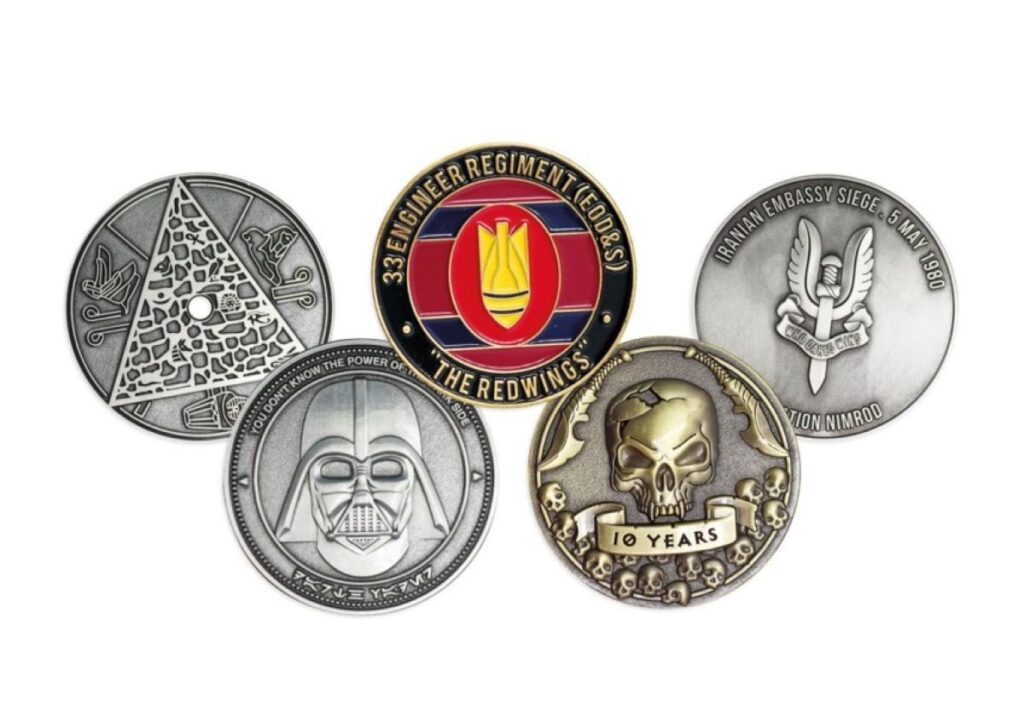
Custom challenge coins are specially designed metal tokens created to commemorate events, honour achievements, or represent organisations. These tangible keepsakes feature personalised artwork, text, and symbols that carry meaningful value for their recipients, making them ideal for recognition, branding, and commemoration.
The meaning behind custom challenge coins extends far beyond simple metal discs. In military settings, they symbolise unit membership, shared experiences, and camaraderie among service members. In corporate environments, custom challenge coins are often used as branded merchandise to reinforce company identity, reward performance, and recognise employee milestones. Special occasions such as weddings, anniversaries, and sporting championships also use custom challenge coins as memorable keepsakes that guests and participants treasure for years.
Why do custom coins maintain such enduring appeal?
Their versatility makes them suitable for countless applications. A single design concept can serve multiple purposes simultaneously:
- Recognition tools that acknowledge exceptional performance or service
- Marketing assets that promote brand awareness at trade shows and conferences
- Fundraising items for charities and non-profit organisations
- Collectible memorabilia that appreciates in sentimental value over time
- Membership tokens that create a sense of belonging within groups
The tactile nature of custom coins sets them apart from digital alternatives. Recipients can hold, display, and carry these physical tokens, creating lasting emotional connections. Unlike paper certificates or digital badges that fade or get deleted, metal coins endure as permanent reminders of significant moments.
Uses of custom coins have expanded dramatically beyond their military origins. Businesses distribute them as unique promotional tokens that stand out in crowded markets. Schools award them for academic excellence. First responders exchange them to build inter-agency relationships. The compact size and durability make them ideal for any situation requiring a meaningful, portable keepsake.
How to Determine the Purpose and Design of Your Custom Coins?
Why does defining your coin’s purpose matter before designing?
The coin design purpose shapes every subsequent decision, from material selection to imagery choices. A military challenge coin requires different symbolism than a corporate promotional token or wedding commemorative piece. Without a clear purpose, designs risk becoming generic or failing to resonate with their intended audience.
For instance, the imagery used in a design can carry significant weight in conveying its purpose. It’s important to select symbols that resonate with the intended message. For example, a symbol like an eagle representing freedom could be perfect for a military coin, while a heart might be more suitable for a wedding token. On the other hand, if you’re trying to symbolize something more nuanced like mental health struggles, you’ll need to choose your imagery carefully.
What design elements should you include on your custom coins?
The most effective coins balance meaningful components without creating visual clutter. Here are some key design elements to consider:
- Logos: Serve as immediate identifiers for organisations or brands, establishing instant recognition.
- Mottos and taglines: Communicate core values or mission statements in concise, memorable phrases.
- Dates: Anchor coins to specific moments—anniversaries, founding years, or event dates—transforming them into historical markers.
- Symbolism through imagery: Convey deeper meaning with carefully chosen symbols such as eagles representing freedom, anchors signifying stability, or crossed swords denoting military service.
How do you select appropriate imagery and text?
Start by listing three to five elements that best represent your purpose. For example, a fire department coin might feature:
- Department badge or emblem
- Establishment date
- Service motto (“Courage Under Fire”)
- Flame or ladder imagery
- Location or station number
Prioritise elements by importance, placing primary symbols in central positions where they’ll receive maximum visibility. Secondary details work well along edges or on reverse sides.
What shapes work best for different purposes?
Round coins remain the traditional choice, offering balanced design space and comfortable handling. They suit formal occasions, military units, and classic commemorative pieces.
Square coins create modern, distinctive profiles that stand out in collections—ideal for corporate branding or contemporary events.
Custom shapes elevate uniqueness: badge outlines for law enforcement, shield shapes for security firms, or state silhouettes for regional organisations.
How does shape influence design possibilities?
Round coins distribute visual weight evenly, allowing symmetrical designs that feel balanced. Square formats provide defined corners perfect for text placement or decorative elements. Custom shapes integrate the outline itself as part of the symbolism—a guitar-shaped coin for a music festival immediately communicates its purpose before viewers read any text.
What mistakes should you avoid during the purpose-definition phase?
Attempting to serve multiple audiences dilutes impact. A coin designed simultaneously for employees, clients, and general public may end up lacking focus and effectiveness in conveying its intended message.
What Materials and Production Methods Should You Consider for Your Custom Coins?
The choice of coin materials directly affects the appearance, durability, and cost of your finished product. Metal finishes range from luxurious gold and rose gold to more subdued options like antique silver, antique nickel, and matt silver. Black dye plating creates dramatic contrast for modern designs, whilst coloured plating allows for vibrant, eye-catching pieces. Each material brings distinct characteristics—gold finishes convey prestige, nickel variants offer durability at lower costs, and antique finishes provide a vintage aesthetic that suits commemorative pieces.
Single-Sided vs Double-Sided Designs
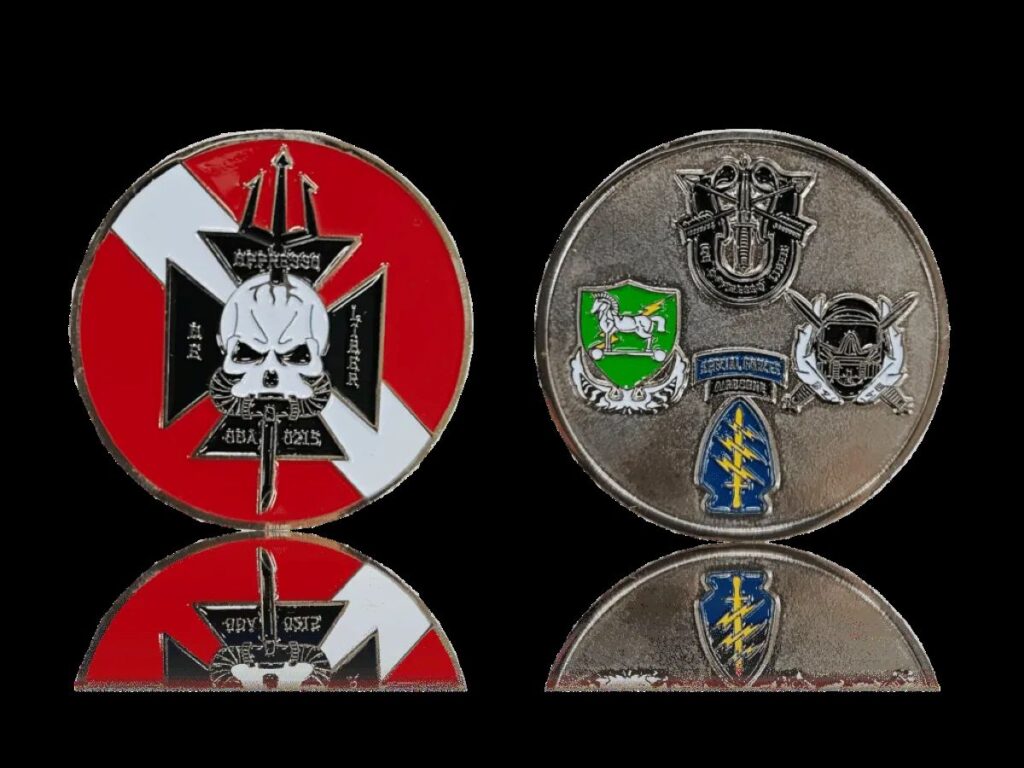
Single-sided coins feature artwork on one face with a plain or textured reverse, making them cost-effective for simpler projects. Double-sided designs maximise visual real estate by incorporating different images, text, or symbols on each face. Military units often use double-sided coins to display their emblem on one side and a motto or mission statement on the reverse. Corporate coins might feature a company logo on the front and employee recognition details on the back. The choice depends on how much information you need to convey and your budget constraints.
Production Techniques for Coins
Die-struck coins represent the traditional minting method where metal is stamped under high pressure, creating raised and recessed areas. This technique produces crisp, detailed designs with excellent depth and dimension. Die-struck coins work particularly well for intricate logos and fine text, though extremely complex designs may require simplification to maintain clarity during production.
Enamel colouring transforms plain metal coins into vibrant pieces through the application of coloured resins. Soft enamel sits below the metal edges, creating a textured surface you can feel, whilst hard enamel is polished flush with the metal for a smooth finish. Soft enamel costs less and provides a tactile quality, making it popular for collectibles. Hard enamel offers superior durability and a premium appearance suited to high-end corporate gifts or awards.
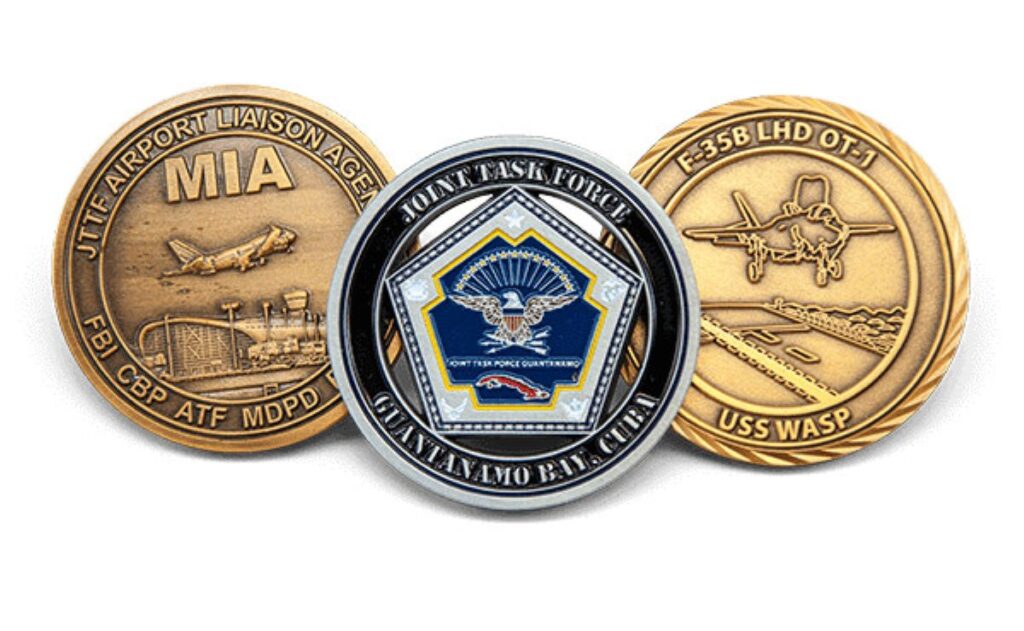
3D modelling methods push beyond flat designs by incorporating multiple levels of relief and sculptural elements. These coins can feature portraits, buildings, or complex scenes with remarkable depth. A military coin might showcase a three-dimensional aircraft rising from the surface, or a corporate piece could display a product.
How to Create an Effective Design for Your Custom Coins?
What coin size and shape works best for your project?
The dimensions of your custom coin directly influence both its visual impact and production cost. Standard sizes range from 1.5 to 2 inches in diameter, with 1.75 inches being the most popular choice for challenge coins. Larger coins provide more space for intricate details but increase material costs and weight, whilst smaller coins are budget-friendly yet limit design complexity.
Shape selection depends on your coin’s purpose and branding requirements. Traditional round coins offer timeless appeal and balanced design space, making them ideal for military units and corporate recognition. Square or rectangular shapes create a modern aesthetic suitable for promotional campaigns. Custom shapes—such as shields, badges, or product silhouettes—deliver maximum brand recognition but require additional tooling costs.
Consider how recipients will carry and display your coins. Pocket-friendly sizes (1.5-1.75 inches) encourage daily carry, strengthening emotional connections. Display pieces can reach 3-4 inches, creating impressive desk ornaments or shadow box centrepieces.
How do you balance text and imagery without overcrowding?
Effective coin artwork submission starts with understanding spatial limitations. A cluttered design diminishes readability and visual appeal, particularly on smaller coins. The 60-40 rule serves as a reliable guideline: allocate 60% of space to your primary element (logo, emblem, or central image) and 40% to supporting text or secondary graphics.
Key spacing principles:
- Maintain minimum 2mm borders from coin edges to prevent detail loss during production
- Limit text to essential information—organisation name, date, motto, or brief inscription
- Use font sizes no smaller than 8-point for legibility
- Create visual hierarchy through size variation between primary and secondary elements
Incorporating visual elements like color, shape, line, texture, space, form, and value into your design can significantly enhance its effectiveness. Negative space functions as a design element rather than wasted area. Strategic spacing around images and text creates breathing room that enhances focus on important details. Military challenge coins often feature a central emblem surrounded by a ring of text, demonstrating how structured layouts prevent visual chaos.
Test your design by reducing it to actual coin size on screen or paper. Elements that appear clear at full size may blur or merge when scaled down. Simplify complex logos by removing fine lines or intricate details that may not reproduce well in small sizes.
What Steps Should You Follow When Working with a Minting Service?
How do you submit your design to a minting company?
Most minting services accept design submissions through online portals, email, or direct consultation. You can upload your design files in formats like AI, JPEG, PNG, or PDF through their website’s submission form. If you don’t have a digital design ready, many companies accept hand-drawn sketches, photographs of existing coins, or even written descriptions of your vision.
The submission process typically requires basic information about your project:
- Quantity needed for your order
- Preferred material and finish (gold, silver, antique nickel, etc.)
- Size specifications for your coins
- Timeline requirements for delivery
- Special features like enamel colours, 3D elements, or edge designs
Some minting services offer free design consultations where you can discuss your ideas directly with their design team. This approach works particularly well when you have a concept but lack the technical skills to create production-ready artwork.
What happens during the design refinement process?
The minting service’s design team reviews your submission and makes necessary adjustments to ensure manufacturability. They convert your artwork into a production-ready format that accounts for the technical limitations and possibilities of the minting process. This includes adjusting line weights, spacing between elements, and ensuring text remains legible at the chosen coin size.
Design adjustments commonly address these technical requirements:
- Minimum line thickness that can be struck into metal
- Spacing between raised and recessed areas for proper definition
- Text size and font selection that remains readable after production
- Colour separation for enamel-filled sections
- Edge details and border specifications
The design team typically sends you a digital proof showing how your coin will appear after minting. This proof displays the design from multiple angles, shows colour placement, and indicates which areas will be raised or recessed. You’ll receive detailed specifications about dimensions, materials, and any recommended modifications.
How do you communicate changes and preferences?
Clear communication with your minting service ensures your vision translates accurately into the final product. When reviewing initial proofs, provide specific feedback about elements you want adjusted rather than general comments. Point out exact text that needs
When Is It Time to Approve the Final Design and Begin Production?
What should you look for when reviewing your proof?
The mint will send you a digital proof showing exactly how your coin will appear once manufactured. This proof represents your last opportunity to catch errors before production starts, making it crucial to examine every detail with fresh eyes. Check that all text appears correctly spelled, dates are accurate, and images render clearly at the coin’s actual size. Remember, proofing is an essential part of graphic design, serving as a final check before production.
How do you verify text accuracy on your proof?
Read all text backwards to catch spelling mistakes your brain might otherwise autocorrect. This technique forces you to see each word individually rather than reading for meaning. Verify that names, ranks, dates, and motto phrases match your original specifications exactly—even a single misplaced letter or number can render an entire batch of coins unusable.
What design elements require special attention?
Pay close attention to:
- Image clarity: Ensure logos and graphics appear sharp without pixelation
- Border spacing: Confirm adequate space exists between design elements and coin edges
- Text legibility: Verify font sizes remain readable at the coin’s actual dimensions
- Colour accuracy: Check that enamel colours match your specifications
- Symmetry: Confirm balanced placement of all design elements
Should you involve others in the approval process?
Request feedback from colleagues or team members who haven’t seen the design previously. Fresh perspectives often spot errors that become invisible after repeated viewings. Have at least two people review the proof independently, then compare their findings to ensure nothing gets overlooked.
What questions should you ask the mint before approval?
Clarify any aspects of the proof that appear different from your expectations. Ask whether certain design elements can be adjusted without restarting the entire proof process. Confirm the production timeline once you provide final design approval so you can plan distribution accordingly.
How do you formally approve the design?
Most mints require written confirmation—typically via email or their online system—before initiating the production start for custom coins. Never provide approval verbally without documentation. Request a final proof revision if you identify any issues, as changes become impossible once manufacturing begins.
What happens immediately after approval?
The mint transitions your approved design to their production floor, where craftsmen create the dies used to strike your coins. You may like to visit https://illinoisquilthistory.com/the-top-5-reasons-to-choose-custom-medals-for-your-next-award-ceremony/ to get about the top 5 reasons to choose custom medals for your next award ceremony.
How Are Custom Coins Delivered and Used After Production?
Once production wraps up, minting companies carefully package your custom coins to prevent damage during transit. Most mints use protective materials like individual plastic capsules, velvet pouches, or presentation boxes depending on your order specifications and budget.
What Packaging Options Protect Your Coins During Shipping?
Professional mints typically offer several packaging tiers for the coin delivery process. Standard options include bulk packaging in sealed plastic bags, whilst premium choices feature individual capsules, display cases, or custom presentation boxes with foam inserts. The packaging you select should align with how you plan to distribute the coins—bulk orders for promotional giveaways might need simple protection, whilst commemorative pieces deserve more elegant presentation.
How Long Does the Shipping Process Usually Take?
Delivery timeframes vary based on your location and chosen shipping method. Domestic shipments within the same country often arrive within 5-10 business days using standard postal services, whilst express courier options can reduce this to 2-3 days. International orders may require 2-4 weeks depending on customs processing and destination. Most reputable minting services provide tracking information so you can monitor your shipment’s progress.
What Happens If Your Coins Arrive Damaged?
Quality mints stand behind their products with damage guarantees. Inspect your order immediately upon arrival and photograph any issues before contacting the company. Established minting services typically replace damaged coins at no additional cost when you report problems within a specified timeframe, usually 7-14 days after delivery.
How Can You Effectively Distribute Your Custom Coins?
The distribution of custom coins depends entirely on their intended purpose. Military units present them during ceremonies to recognise service members’ achievements. Corporations hand them out at trade shows, conferences, or as employee recognition awards. Event organisers distribute them as memorable keepsakes to attendees, speakers, or sponsors.
Consider these distribution strategies:
- Direct presentation: Hand coins personally during ceremonies or meetings to add significance
- Gift packaging: Include coins in welcome kits, swag bags, or corporate gift sets
- Retail sales: Display coins in protective cases with certificates of authenticity for collectors
- Fundraising: Sell commemorative coins to support charitable causes or community projects.