
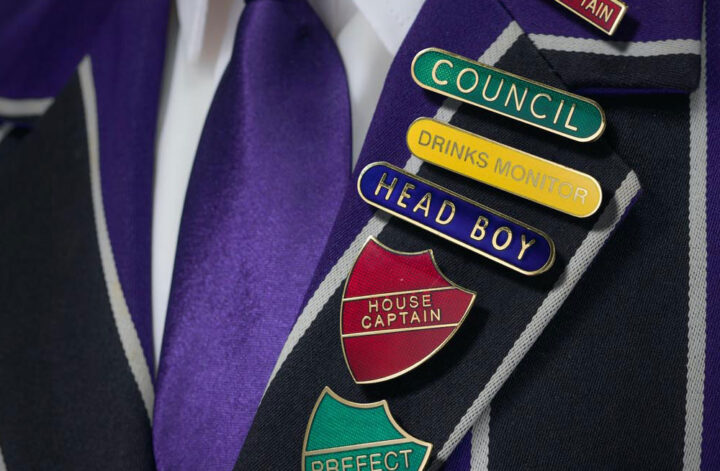
What does “made to order” really mean for blazer badges?
It should mean the badge is produced to a specific size, color palette, edge finish, and backing that suits the exact blazer and purpose. A quality maker will confirm artwork, thread colors, border style, and attachment method before production. If they only ask for a logo file and nothing else, the result is often generic and less durable.
Which badge type looks best on a blazer?
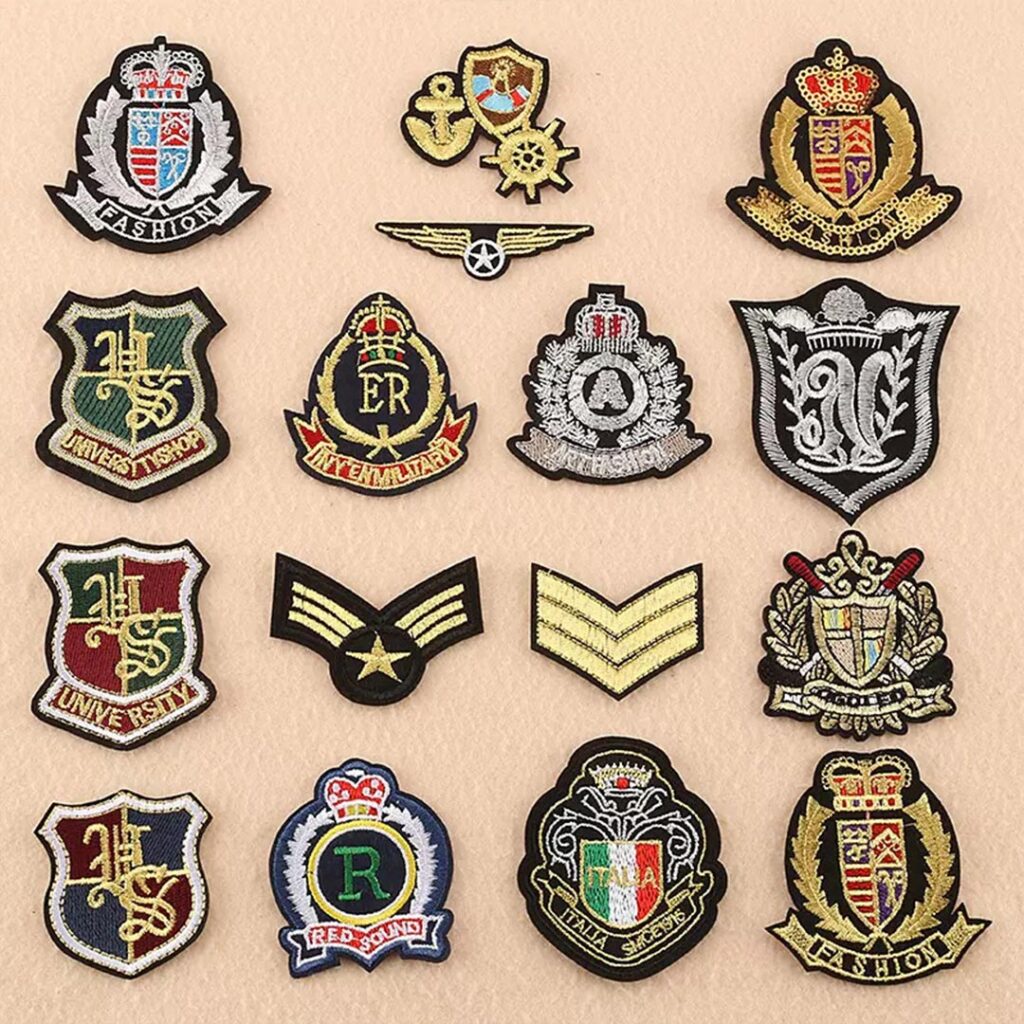
For blazers, embroidery is the classic choice because it reads as textured and formal at close range. blazer badges made to order work well for small text and fine crests, since they can hold detail with a flatter finish. Printed badges can match gradients, but they typically look less traditional and can wear faster unless protected with a quality top layer.
How can stitch density and thread quality be judged?
Higher stitch density generally creates cleaner edges, smoother fills, and better longevity, especially on curved letters and fine borders. Quality thread resists fading and fuzzing, and it keeps color consistent across batches. Buyers should ask for close-up photos of similar badges and check if curves look crisp rather than jagged or “gapped.”
Why does the base fabric matter more than most people think?
The base fabric affects how the badge sits on the blazer and how it ages. Stiffer twill can keep a sharp silhouette but may feel bulky on lightweight blazers. Softer felt can look traditional but can pill if low grade. A good supplier recommends a base that matches the blazer weight and avoids puckering.
What edge finish should buyers choose for a clean border?
Merrowed edges create a raised, rounded border that is durable and traditional, but they can slightly reduce detail near the perimeter. Cut edges with satin stitching allow sharper shapes and tighter corners, often preferred for modern crests. Heat-cut edges can be clean on synthetics, but quality depends heavily on the backing and finishing.
How important is accurate color matching?
It is critical for crests, school colors, clubs, and brand standards. Screens lie, so quality suppliers match to thread charts or Pantone references and confirm substitutions if a perfect match is not available. Buyers should request a proof that lists thread colors, not just a digital mockup.
Which backing and attachment method lasts the longest?
Sew-on backing is usually the most secure for blazers, especially with frequent wear or dry cleaning. Iron-on can work, but it depends on adhesive quality and heat compatibility with blazer fabric, and it can lift at corners over time. Velcro is practical for interchangeable badges, but it adds thickness and can distort drape unless the blazer is built for it.
How can buyers ensure the badge sits flat on the blazer?
A badge sits flat when its backing stiffness matches the garment and the attachment method is appropriate. Excessively rigid backings can cause “tenting” on curved chest areas, while very soft badges can ripple. Buyers should share where the badge will be placed, the blazer fabric type, and whether the blazer will be tailored after application.
What should be checked in a sample before approving a full run?
A sample should be checked for border smoothness, legible small text, clean internal corners, and consistent fill direction. The badge should not show loose threads, exposed base fabric through fills, or uneven thickness. If the badge includes metallic thread, buyers should check for scratching, snagging, and dull patches under normal light.
How do minimum order quantities and pricing relate to quality?
Very low pricing often signals lower stitch density, cheaper thread, or minimal quality control. Small runs can still be high quality, but they usually cost more per unit because setup and digitizing are spread across fewer pieces. Buyers should ask what is included, such as digitizing, thread matching, sew-on backing, and pre-production approval.
What questions should buyers ask a supplier before ordering?
They should ask which badge construction is recommended for a blazer, what stitch density range will be used, and how fine details will be handled. They should also ask for thread charts, edge options, backing choices, and sample timelines. Finally, they should ask how defects are handled and whether remakes are offered for production issues. Learn more about custom medals Australia: how to create awards that stand out.
What are common mistakes that make custom blazer badges look cheap?
The biggest mistakes are choosing the wrong badge type for fine detail, approving colors from a screen without thread confirmation, and using an edge finish that crowds the design. Another common issue is picking a backing that is too stiff or too thick for the blazer fabric. Rushed approval without a sample or close-up photos often leads to avoidable quality problems.
What should buyers do next to place a confident order?
They should start by choosing the badge type that fits the level of detail and the blazer’s formality, then lock size and placement. Next, they should confirm thread colors from a chart, select an edge finish that supports the shape, and choose a backing that matches wear and cleaning needs. If possible, they should approve a sample, then proceed to the full run with clear quality expectations.
FAQs (Frequently Asked Questions)
What does ‘made to order’ mean when ordering custom blazer badges?
Made to order means the badge is produced specifically to the requested size, color palette, edge finish, and backing that suit the exact blazer and its purpose. A quality maker confirms artwork, thread colors, border style, and attachment method before production to ensure durability and a tailored look.
Which type of badge is best suited for blazers?
Embroidery is the classic choice for blazers because it offers a textured and formal appearance at close range. Woven badges are ideal for small text and fine crests due to their ability to hold detail with a flatter finish. Printed badges can match gradients but usually look less traditional and may wear faster unless protected by a quality top layer.
How can buyers assess stitch density and thread quality in blazer badges?
Higher stitch density results in cleaner edges, smoother fills, and better longevity, especially on curved letters and fine borders. Quality thread resists fading and fuzzing while maintaining consistent color across batches. Buyers should request close-up photos of similar badges to check if curves appear crisp rather than jagged or gapped.
Why is the base fabric important for blazer badges?
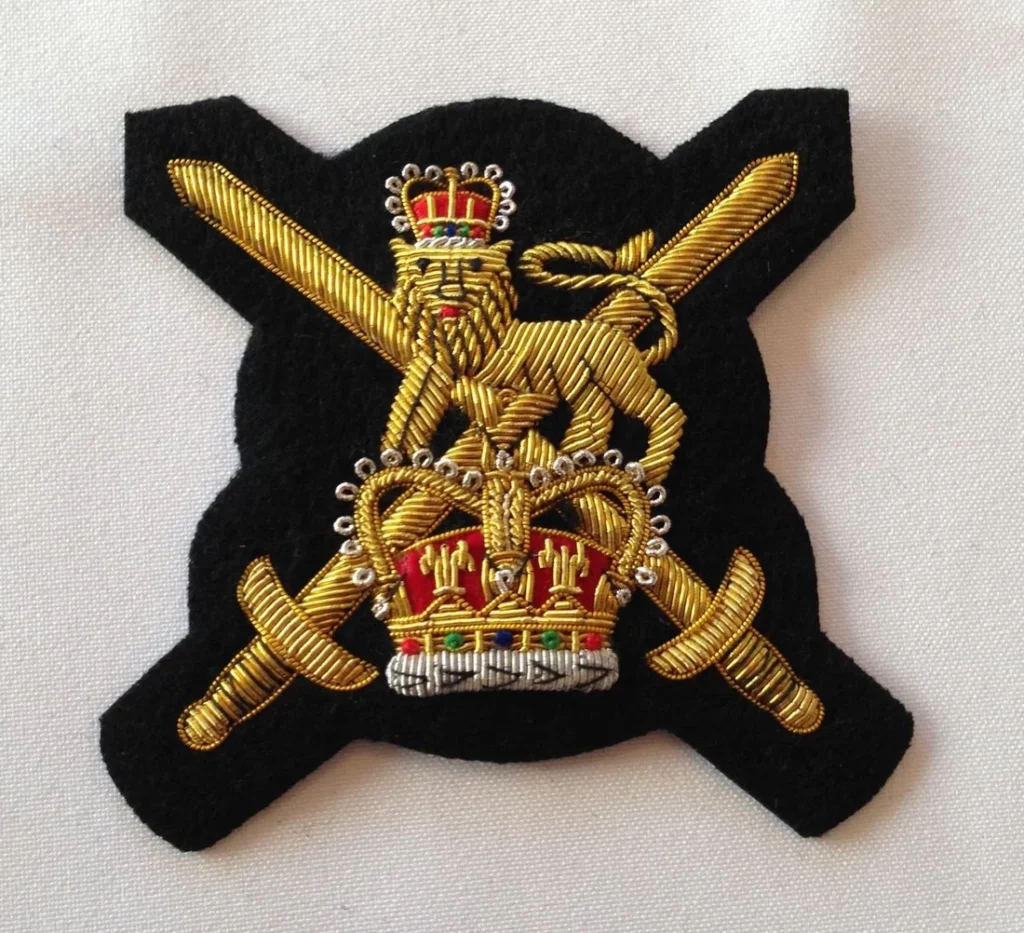
The base fabric influences how the badge sits on the blazer and how it ages over time. Stiffer twill keeps a sharp silhouette but may feel bulky on lightweight blazers, while softer felt offers a traditional look but can pill if low grade. Selecting a base that matches the blazer’s weight helps avoid puckering and ensures a clean fit.
What edge finishes are recommended for clean borders on blazer badges?
Merrowed edges provide a durable, raised, rounded border with a traditional look but may reduce detail near the perimeter. Cut edges with satin stitching allow sharper shapes and tighter corners, preferred for modern crests. Heat-cut edges can be clean on synthetics but depend heavily on backing quality and finishing techniques.
How important is accurate color matching in custom blazer badges?
Accurate color matching is critical for crests, school colors, clubs, and brand standards. Since screens can be misleading, quality suppliers match thread colors using thread charts or Pantone references and confirm any substitutions. Buyers should request proofs listing thread colors rather than relying solely on digital mockups to ensure fidelity.