
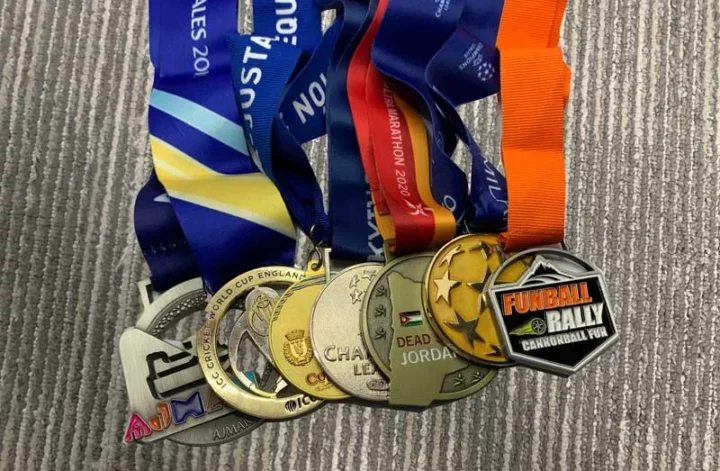
This guide breaks down how teams can create custom medals in Australia that actually stand out, without overcomplicating the process.
What makes a custom medal genuinely stand out?
A standout medal is instantly recognisable and clearly tied to the event. It usually has a strong shape, a readable focal point, and at least one premium detail like layering, texture, or custom medals Australia.
Most importantly, it feels intentional. When the theme, date, location, and achievement level are designed in, recipients sense that the award was made for them, not pulled from a template.
How should they choose the right medal size and shape?
They should start with how the medal will be worn and photographed. For most sports events, 60–70 mm feels substantial without being heavy, while 50–55 mm suits kids’ events or large-volume programs.
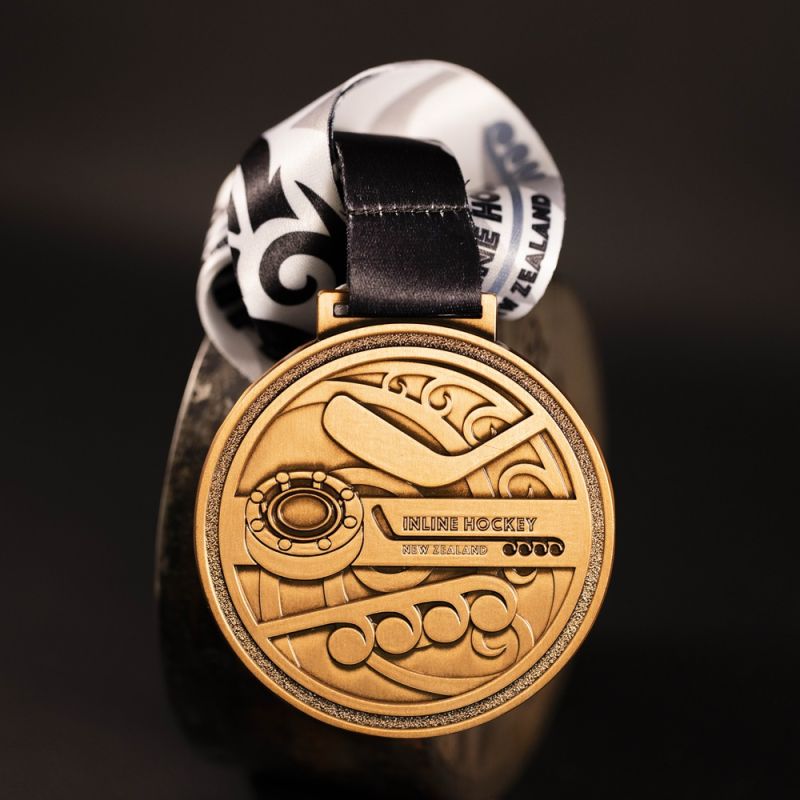
Shape is where memorability comes from. A custom outline (map silhouette, mascot, landmark, or badge shape) often looks more premium than a standard circle, even with the same materials.
Which materials and finishes look premium in Australia?
Zinc alloy is the common choice for custom shapes, good detail, and cost control. Iron can work for simpler designs and tighter budgets, while brass tends to feel higher-end but is used less often due to cost.
For finishes, antique gold or antique silver hide scratches and make detailing pop. Bright gold looks classic but can feel generic if the design is flat. A matte finish can look modern, especially paired with crisp typography.
Should they use enamel, and if so, what type?
Yes, if they want the medal to feel “designed” instead of stamped. Colour creates hierarchy and makes logos and icons clearer at a glance.
Soft enamel gives a textured, slightly recessed feel and is often the best value for Australian events. Hard enamel is smoother and more “jewellery-like,” usually better for premium awards or corporate recognition where the medal needs a polished, glossy finish.
How can they make the front design clearer and more memorable?
They should design around one main idea: the event mark, a strong icon, or a clear title. If everything competes, nothing reads.
Good medals usually follow three rules:
- One focal element they can recognise from a distance
- A clear event name or acronym that is readable at arm’s length
- Simple depth changes like raised borders, layered plates, or textured backgrounds
Small details matter, but only after the main read works.
What should they put on the back of the medal?
The back is where meaning and personal relevance can live. They can include the event date, location, distance, division, or a short line that captures the achievement.
If they want to level up the “keepsake” value, they can add:
- A blank area for engraving
- Sequential numbering for limited runs
- A QR code that links to results, photos, or a highlight video
Back design is often neglected, but it is one of the easiest ways to make an award feel custom.
How do they choose a ribbon that does not look generic?
They should treat the ribbon like part of the design, not an accessory. A ribbon in event colours instantly makes the medal feel branded and photo-ready.
They can choose:
- Dye-sublimated ribbons for full-colour patterns, gradients, and sponsor marks
- Woven ribbons for a more traditional look with strong durability
- Printed ribbons for simple logos and text
Width matters too. A wider ribbon can make a medal look more premium, while narrow ribbons can feel light and less substantial.
How can they handle sponsor logos without ruining the design?
They should decide early whether sponsors belong on the medal or only on the ribbon and packaging. Overcrowding the front with logos usually cheapens the result.
A cleaner approach is to:
- Put the main sponsor on the ribbon
- Place smaller sponsors on the back rim or outer ring
- Use a simplified sponsor mark (icon-only) instead of full lockups
If the medal must include multiple sponsors, they should reserve a dedicated “sponsor zone” so the main artwork stays strong.
What production details should they confirm with Australian suppliers?
They should ask for a digital proof and, if timing allows, a pre-production sample. They should also confirm the manufacturing method (die struck, die cast, printed insert) because it affects depth and durability.
Key checks before approval:
- Exact dimensions and thickness
- Finish colour (bright vs antique)
- Enamel type and colour matching
- Ribbon attachment style (ring, bale, integrated)
- Packaging choice and delivery timelines
Clear approvals reduce surprises, especially when deadlines are tied to event dates. Learn more about blazer badges made to order: what to look for in quality.m
How should they plan timelines for custom medals in Australia?
They should work backwards from event day and build in buffer time. Even when suppliers offer express production, artwork revisions and approvals can add days.
A practical planning window is:
- 1–2 weeks for concept, design, and approvals
- 3–6 weeks for production depending on complexity and quantities
- 1 week buffer for shipping, sorting, and spares
If they need medals fast, they should simplify shape, reduce enamel complexity, and standardise finishes across tiers.
What is the best way to keep custom medals within budget?
They should pick one “hero feature” and keep everything else simple. A custom shape plus antique finish can look premium without heavy enamel. Or they can use a standard shape with one raised 3D element to create depth.
Budget levers they can control:
- Size and thickness
- Number of colours and enamel type
- Custom ribbon printing vs plain stock ribbons
- Packaging (basic polybag vs presentation box)
- Quantity and tier variations
Spending a little more on design clarity usually saves money compared to adding extra features to a weak concept.
How can they add tiers (gold, silver, bronze) without designing three medals?
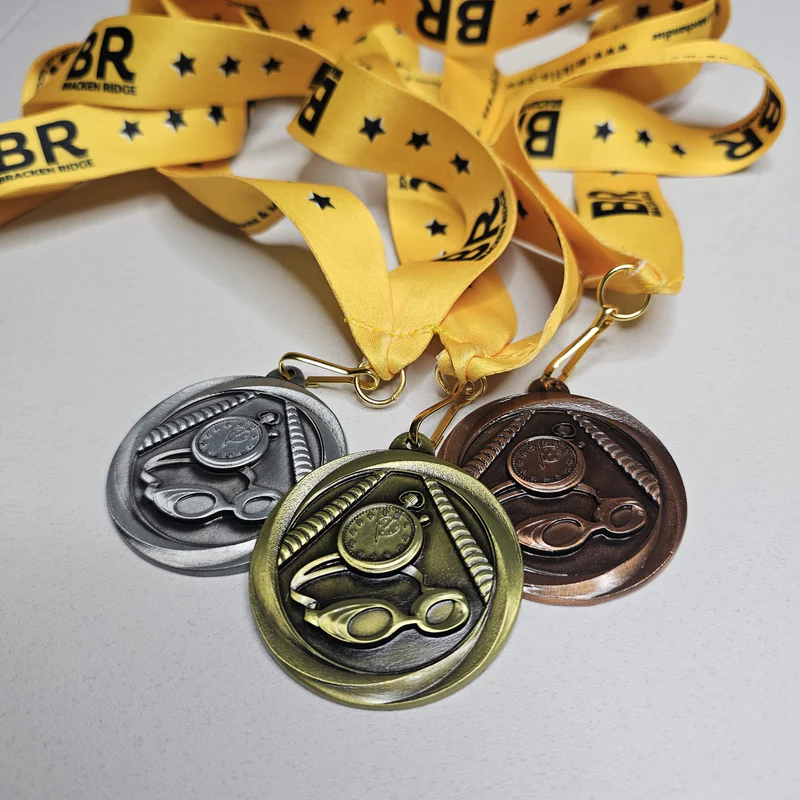
They can keep the same mould and change finishes, ribbon colours, or small enamel accents. This keeps costs predictable and the set visually consistent.
Common tier strategies include:
- Same medal, three finishes (gold, silver, bronze)
- Same finish, different ribbon colours per division
- Same medal, small enamel tab or insert that indicates category
Recipients still feel the difference, but production stays efficient.
What is the simplest checklist they can follow to create standout awards?
They should aim for clarity first, then add one memorable detail. If the medal reads well from a distance and feels solid in hand, it already stands out.
A simple checklist:
- Clear focal point on the front
- Event name and year included
- One premium detail (shape, layering, texture, or enamel)
- Back design that adds meaning (date, place, engraving area)
- Ribbon that matches event branding
- Proofs approved with sizes, finishes, and timelines confirmed
When they treat the medal as a designed product, not just a token, the result usually looks and feels like a real achievement.
FAQs (Frequently Asked Questions)
What makes a custom medal genuinely stand out in Australia?
A standout custom medal in Australia is instantly recognisable and clearly tied to the event. It features a strong shape, a readable focal point, and at least one premium detail like layering, texture, or enamel. Most importantly, it feels intentional with design elements such as theme, date, location, and achievement level included to make recipients feel the award was made specifically for them.
How do I choose the right size and shape for custom medals in Australian events?
Start by considering how the medal will be worn and photographed. For most sports events in Australia, a size of 60–70 mm feels substantial without being heavy. For kids’ events or large-volume programs, 50–55 mm is suitable. The shape contributes to memorability; opting for a custom outline like a map silhouette, mascot, landmark, or badge shape often looks more premium than a standard circle.
Which materials and finishes are recommended for premium-looking custom medals in Australia?
Zinc alloy is commonly used for custom shapes offering good detail and cost control. Iron suits simpler designs and tighter budgets. Brass provides a higher-end feel but is less common due to cost. Finishes like antique gold or antique silver hide scratches and enhance detailing. Bright gold offers a classic look but can feel generic if flat. Matte finishes paired with crisp typography create a modern appearance.
Should enamel be used on custom medals, and what types are best for Australian events?
Yes, enamel adds a designed feel rather than a stamped look. Colour improves hierarchy and clarity of logos and icons. Soft enamel provides a textured, slightly recessed finish and is often the best value for Australian events. Hard enamel is smoother and more jewellery-like, ideal for premium awards or corporate recognition requiring a polished glossy finish.
What design tips help make the front of custom medals clearer and more memorable?
Focus on one main idea such as the event mark, strong icon, or clear title to avoid competing elements. Good medals follow three rules: have one focal element recognizable from a distance; include a clear event name or acronym readable at arm’s length; incorporate simple depth changes like raised borders, layered plates, or textured backgrounds. Prioritize main readability before adding small details.
How can sponsors be incorporated into custom medal designs without compromising aesthetics?
Decide early whether sponsors appear on the medal or only on ribbons and packaging. Avoid overcrowding the front with logos as it cheapens the design. A cleaner approach places the main sponsor on the ribbon, smaller sponsors on the back rim or outer ring using simplified icon-only marks instead of full logos. If multiple sponsors must be included on the medal, reserve a dedicated ‘sponsor zone’ to maintain strong main artwork.