
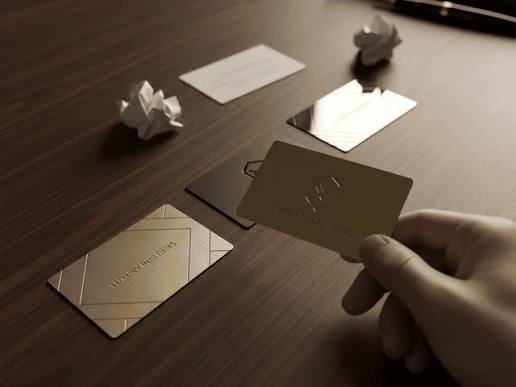
What are they trying to achieve with metal business cards?
They should start by defining the job of the card in their business. For some, it is a premium handshake moment at events in Sydney or Melbourne. For others, it is a durable card that survives site visits, toolbags, and wet weather across regional Australia.
Once the purpose is clear, it is easier to choose the right metal, thickness, finish, and print method for metal business cards Australia wide.
Which metal type suits their brand and daily use?
The metal choice affects weight, colour, corrosion resistance, and how crisp the design looks. Stainless steel is popular for a clean, modern look and strong wear resistance. Aluminium is lighter and can suit high volume handouts. Brass and copper lean more classic and can develop character over time.
If they want the most consistent look across batches for metal business cards Australia wide, they should ask the supplier what alloy grade they use and whether it varies between runs.
How thick should the card be for a premium feel without being awkward?
Thickness changes how the card feels in-hand and how easily it fits wallets or card holders. Many people like a thicker card for impact, but too thick can be uncomfortable for recipients and may get left behind.
They should compare thickness options in millimetres and ask for a sample set. For metal business cards Australia wide, the best thickness is usually the one that feels premium while still being practical for everyday carry.
What size and shape options matter in Australia?
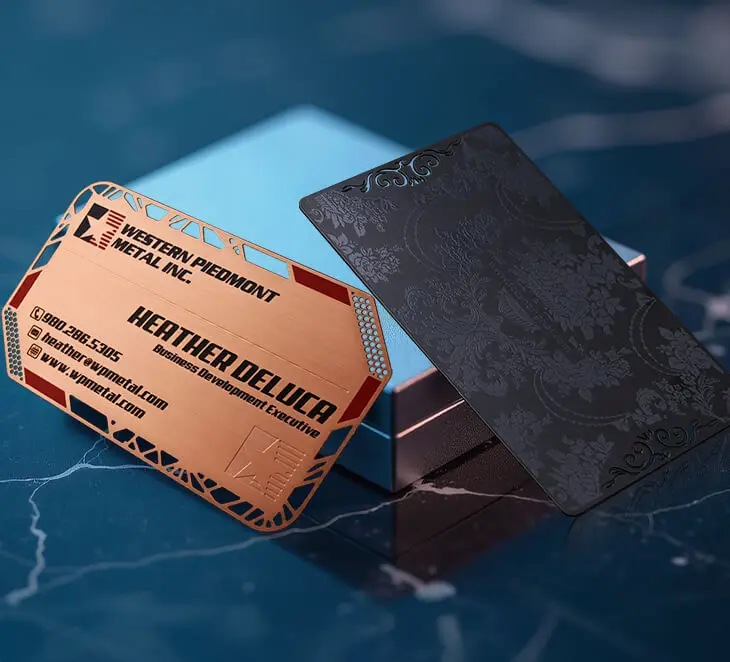
Standard business card sizing is familiar, but metal cards can be cut to custom sizes and shapes. Rounded corners are common because they reduce snagging and feel safer in pockets. Sharp corners may look bold but can catch on wallets and feel harsh.
When ordering custom metal business cards Australia wide, they should confirm the exact dimensions, corner radius, and finishing requirements before production. It is also worth checking whether unusual shapes involve additional setup fees or require longer production and delivery times.
Which printing or marking method will look sharp and last?
This is one of the most important comparisons. Laser engraving is durable and crisp, but contrast depends on the finish and metal. Etching can create detail and depth, often with paint fill for readability. UV printing can produce colour, logos, and gradients, but longevity depends on coating quality.
For metal business cards Australia wide, they should ask for close-up photos of real jobs on the same metal and finish, not mockups. A sample is even better.
How do they compare colour options and brand accuracy?
Many brands need exact colours, especially for franchises or businesses with strict guidelines. Metal can limit colour reproduction unless the supplier uses UV print, enamel fill, or special coatings. Some finishes also shift the look of colours under different lighting.
They should also compare how each supplier manages colour matching during metal business card printing, including whether digital or physical proofs are available, which colour profile is used, and how artwork and production settings are recorded. This can make future reorders more consistent with the original batch.
What finish should they choose for fingerprints and scratching?
Finishes dramatically change day-to-day appearance. Matte finishes often hide fingerprints better than high gloss. Brushed metal can look premium while masking small marks. Mirror finishes can impress but show smudges quickly. Black coated options look sharp, but they should confirm scratch resistance and whether edges show wear.
When choosing metal business cards Australia wide, they should compare finish durability in real handling conditions, not just how it looks in product photos.
Do they need paint fill, enamel, or just engraving?
Paint fill can improve readability for logos and small text, especially on darker metals. Enamel fill can look premium, but it may add cost and extend production time. Plain engraving can be minimal and modern, but it relies on contrast and lighting.
For metal business cards Australia wide, they should compare the readability of phone numbers, emails, and QR codes across different fill options. A design that looks great on screen can become hard to read on metal if the contrast is too subtle.
How important are QR codes and scannability on metal?
Many Australian businesses now include QR codes for booking links, Google reviews, digital contact cards, or Instagram. On metal, scannability depends on contrast, line thickness, and the marking method. Highly reflective finishes can also interfere with quick scanning under bright lighting.
They should request a QR test on a sample before approving metal business cards Australia wide, ideally tested on several phones in normal conditions like a café, a trade show, or outside in daylight.
What information layout prevents clutter on a premium card?
Metal cards feel premium when the design is clean. Too much text can look crowded and reduce legibility. They should compare layouts that prioritise one clear action, such as a call, booking, or scan, rather than listing every service.
When ordering metal business cards Australia wide, they should check minimum font sizes and line weights recommended by the supplier. Small text that prints fine on paper may not reproduce well on metal.
How do they compare edge quality and corner finishing?
Edge finishing is easy to overlook, but it affects comfort and perceived quality. Cleanly deburred edges feel professional. Poor finishing can leave sharp spots or roughness that catches on fabric. Rounded corners usually improve comfort and reduce wear.
For metal business cards Australia wide, they should ask whether edges are polished, deburred, or chamfered, and whether corner rounding is standard or an add-on.
Should they compare single sided vs double sided designs?
Double sided cards let them keep the front minimal while placing details, disclaimers, or QR codes on the back. Single sided can look refined, but it may force the design to become cramped.
They should compare cost differences and decide based on how the card will be used. For many metal business cards Australia wide orders, double sided designs offer better readability without sacrificing style.
What are the key cost drivers they should ask about?
Pricing is not just about quantity. Costs can change based on metal type, thickness, custom cutting, colour printing, paint fill, complex engraving, and packaging. Setup fees may apply for new designs, and rush jobs often cost more.
To compare metal business cards Australia wide accurately, they should request itemised quotes. That makes it clear where the money goes and which upgrades actually matter to their goals.
How do quantities and reorders affect value over time?
Many businesses start with a small batch for key staff, then reorder later. They should compare whether the supplier keeps the artwork on file, charges setup fees again, or offers price breaks at certain quantities. They should also check if the supplier can match the finish and colour on future runs.
For metal business cards Australia wide, reorder consistency can matter as much as the first batch quality, especially for growing teams.
What turnaround time and shipping details matter across Australia?
Lead times can vary depending on customisation and where the cards are produced. They should compare production time, proofing time, and shipping time to their location, whether they are in Brisbane, Perth, Adelaide, Hobart, Canberra, Darwin, or regional centres.
For metal business cards Australia wide, they should confirm tracking, packaging protection, and what happens if a shipment arrives damaged.
How can they assess supplier quality before committing?
They can learn a lot from samples, reviews, and clear communication. A reliable supplier will explain limitations, offer practical design advice, and provide real photos of finished cards. They should also check whether the supplier has an Australian support contact and clear policies for defects.
When comparing metal business cards Australia wide, they should prioritise suppliers who can prove consistency across batches and who will proactively flag design issues before production.
What proofing process reduces mistakes on metal cards?
Proofing is where many problems can be avoided. They should compare whether the supplier provides a digital proof, a physical sample, or both. Digital proofs help catch spelling errors and layout issues, while physical samples help confirm contrast, finish, and scannability.
For metal business cards Australia wide, they should ensure the proof includes exact placement, dimensions, and any back side details, not just a front-only mockup.
What packaging and presentation options are worth paying for?
Presentation matters when the card is designed to impress. Basic packaging may be fine for everyday use, but premium boxes can suit gifting, partnerships, or VIP prospects. They should compare whether packaging protects the finish during shipping and whether it aligns with the brand.
If they are investing in metal business cards Australia wide, they should choose packaging that supports the intended experience without inflating costs unnecessarily.
How should they compare sustainability and material sourcing claims?
Some suppliers offer recycled metals or locally finished options, but sustainability claims should be checked carefully. Sustainable metal business cards may involve recycled content, reduced packaging, local production, or lower-impact shipping, so businesses should ask suppliers for specific details rather than relying on broad environmental statements.
For metal business cards Australia wide, clarity matters because “eco” can mean very different things depending on sourcing and production.
What final checklist helps them choose confidently?
They can make the decision simpler by comparing the same set of criteria across suppliers. The most useful checklist is: metal type and thickness, finish durability, marking method and contrast, QR scannability, edge quality, proofing process, itemised pricing, reorder consistency, turnaround time, and shipping protection.
If they run through that list before ordering metal business cards Australia wide, they are far more likely to receive a card that looks premium, reads clearly, and performs in real Australian conditions.
FAQs (Frequently Asked Questions)
What factors should I consider when choosing metal business cards Australia wide?
When selecting metal business cards Australia wide, consider cost, durability, and the impression they create. It’s important to compare details like engraving readability, card weight, and finish durability upfront to avoid common issues such as scratching or unreadable text.
Which metal types are best suited for metal business cards in Australia?
The choice of metal affects weight, color, corrosion resistance, and design clarity. Stainless steel offers a modern look with strong wear resistance; aluminium is lighter and ideal for high-volume handouts; brass and copper provide a classic feel that develops character over time. For consistent appearance across batches, inquire about alloy grades used by suppliers.
How do I choose the right thickness for premium metal business cards?
Thickness influences the tactile feel and wallet compatibility. A thicker card feels premium but may be awkward if too bulky. It’s recommended to compare thickness options in millimeters and request samples. The ideal thickness balances a premium feel with everyday practicality for metal business cards Australia wide.
What printing or marking methods ensure sharp and lasting designs on metal business cards?
Laser engraving offers durable and crisp designs with contrast depending on the metal finish. Etching provides detailed depth often enhanced with paint fills for readability. UV printing allows full-color logos and gradients but depends on coating quality for longevity. Always ask suppliers for close-up photos or samples of real jobs on your chosen metal and finish.
How can I ensure accurate brand colors on my metal business cards Australia wide?
Exact color matching can be challenging on metal due to limited reproduction capabilities. Suppliers using UV printing, enamel fill, or special coatings can better replicate brand colors. Confirm how color proofs are provided, which color profiles are used, and how reorders maintain consistency across batches.
What finish options are best to minimize fingerprints and scratches on metal business cards?
Matte finishes tend to hide fingerprints better than high gloss. Brushed metals offer a premium look while masking minor marks. Mirror finishes are striking but show smudges quickly. Black coated options appear sharp but require confirmation of scratch resistance and edge wear. Evaluate finish durability under real handling conditions before ordering.