
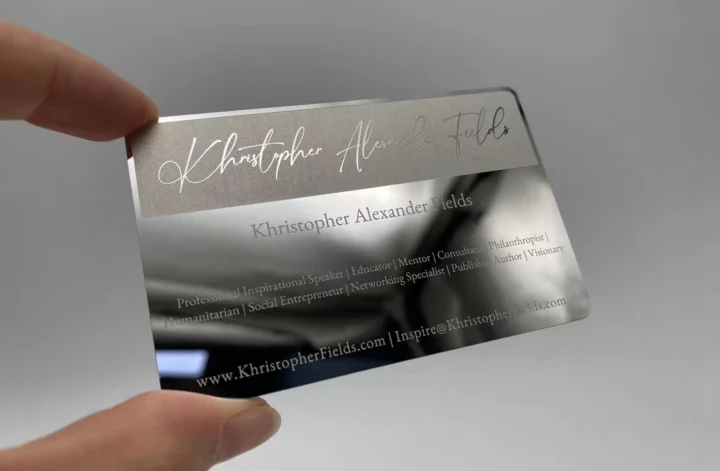
Edge and corner finishing is also where suppliers balance looks, comfort, durability, and safety, especially for cards handed out at events across Australia.
What does “edge and corner finishing” mean on a metal card?
It means the supplier has refined the perimeter of the card after cutting so it looks clean and feels safe in the hand. In practice, it covers burr removal, corner shaping, smoothing, polishing, and sometimes colouring or sealing the edges.
For Metal Business Cards Australia orders, finishing choices usually depend on the metal type, the thickness, and whether the card uses paint fill, plating, or a printed top layer.
Why do suppliers focus so much on edges and corners?
They focus on edges and corners because that is the first physical touchpoint when someone picks up the card. A sharp edge can feel cheap or even cause minor scratches, while a clean radius corner feels premium and deliberate.
Many Metal Business Cards Australia suppliers also treat edge quality as a brand-protection detail. When a card survives wallets, cardholders, and keys, it keeps representing the business long after the first meeting.
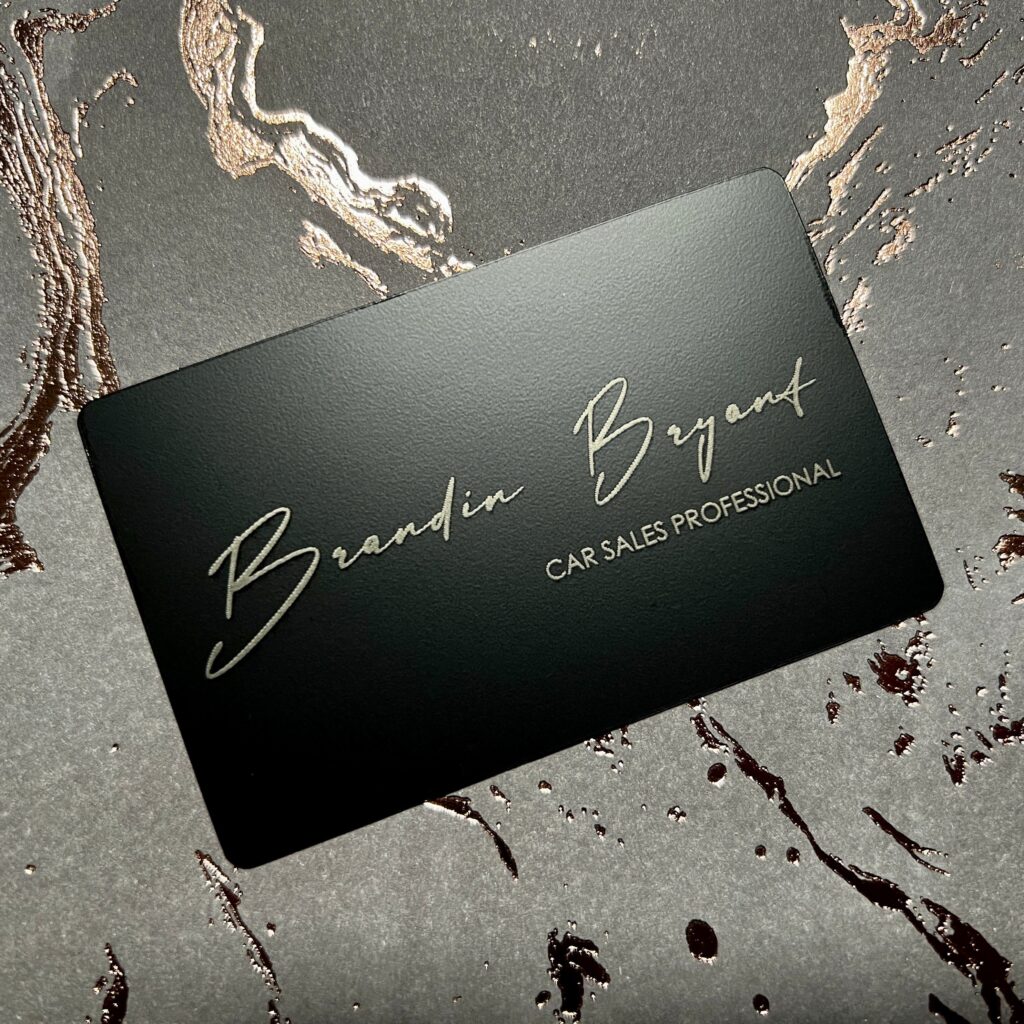
How are metal cards cut before edge finishing begins?
Most suppliers cut cards by laser, CNC machining, stamping, or waterjet, depending on volume and metal choice. Laser cutting is common for intricate shapes, while stamping is often used for larger runs with consistent outlines.
After cutting, the perimeter often has micro-burrs or heat marks. That is why Metal Business Cards Australia suppliers nearly always include a secondary edge process, even when the cut looks clean to the eye.
What are burrs, and how do suppliers remove them?
Burrs are tiny raised lips of metal left after cutting or machining. They can catch on fabric, feel sharp, and interfere with coatings or plating.
Suppliers remove burrs with deburring wheels, tumbling media, hand filing, belt sanding, or brushing. For many Metal Business Cards Australia runs, they will choose a process that matches the card’s finish so the edges do not look like a different texture to the face.
How do suppliers round corners, and what radii are common?
They round corners using CNC profiling, stamping dies, sanding jigs, or corner-rounding tools designed for metal. The radius can be subtle for a crisp look or more generous for a softer feel.
Common choices are similar to standard card radii, then adjusted for thicker stock. Many Metal Business Cards Australia suppliers will recommend a slightly larger radius on thicker brass or stainless so the corners do not feel pointy.
When do suppliers choose sharp corners instead of rounded ones?
Sharp corners can work well when a brand uses an intentionally angular aesthetic or incorporates geometric elements into its card design. Custom metal card designs can follow these distinctive shapes while still being finished with softened edges, helping maintain the desired appearance without leaving corners that could feel unnecessarily harsh or hazardous.
For Metal Business Cards Australia clients, sharp corners are often reserved for display pieces, presentation packs, or cards that will not live loose in a wallet.
What is “edge breaking,” and how is it different from rounding?
Edge breaking is a light chamfer or micro-round that removes the sharpness without changing the overall shape much. It is smaller than a rounded corner radius and usually applied along all sides.
Many Metal Business Cards Australia suppliers use edge breaking as a default safety step. It is a small detail, but it stops that “razor edge” feel while keeping a crisp, modern outline.
How do brushed, polished, and matte edges get achieved?
They get achieved by matching edge processes to face finishing methods. A brushed edge may be created by belt sanding or brushing in a consistent direction, while polished edges come from progressive sanding and buffing.
Matte edges are often produced by bead blasting or fine tumbling media. With Metal Business Cards Australia production, suppliers aim for a consistent look so the edge does not clash with a brushed stainless face or a matte black coating.
How does tumbling work for edge and corner smoothing?
Tumbling puts batches of cards into a vibrating or rotating barrel with abrasive media. Over time, the media gently smooths burrs, softens corners, and evens out micro-imperfections.
Tumbling is often preferred for medium to large production runs because it provides an efficient and consistent finish. Many Metal Business Cards Australia suppliers can adjust the tumbling media and processing time to preserve important details, including cut-outs, engraved sections, and fine design elements, without excessively softening their edges.
How do suppliers handle intricate cut-outs and custom shapes?
They use finer deburring tools, smaller tumbling media, or hand finishing around internal corners. Tight internal angles can trap burrs, so suppliers often combine processes, such as a light tumble followed by hand inspection.
For complex silhouettes, Metal Business Cards Australia suppliers may also adjust design files slightly, adding tiny radii to internal corners to reduce stress points and improve finishing quality.
Do coatings and plating change how edges should be finished?
Yes, because coatings and plating can highlight flaws or wear differently at the perimeter. If a card is plated, the underlying edge must be smooth or the plating can look wavy or thin along corners.
Painted or powder-coated cards need clean edges so the coating adheres well and does not chip easily. For Metal Business Cards Australia orders using black coatings, suppliers often pay extra attention to edge prep because bright metal can show through if the edge chips.
How do black or coloured edge effects get produced?
They are produced through full-surface coating, edge colouring steps, or plating processes that wrap around the card. Some suppliers achieve a dark edge by coating both faces and the perimeter, then curing to harden the finish.
Others may use a two-step approach where the faces are masked, or a top layer is applied and then sealed. When Metal Business Cards Australia buyers want a luxury look, suppliers often recommend an edge style that matches the face finish rather than a stark contrast that shows wear faster.
How do suppliers prevent edges from feeling sharp after engraving or etching?
They inspect after engraving and run a secondary deburr or brush pass if needed. Deep engraving near the perimeter can create raised lips or brittle coating edges that need smoothing.
For Metal Business Cards Australia designs with border engraving, suppliers commonly recommend leaving a small margin from the edge. That reduces the chance of raised burrs and keeps the perimeter comfortable.
What role does thickness play in edge and corner finishing?
Thickness changes how the card feels and how much finishing is required. A thicker card can feel more premium, but it can also feel sharper if the edges are not properly broken.
Many Metal Business Cards Australia suppliers adjust corner radii, tumbling time, and polishing steps based on thickness. A 0.8 mm stainless card often needs a different approach than a thinner anodised aluminium card.
How do suppliers check quality and consistency before shipping?
They check by visual inspection under strong lighting, touch testing for sharpness, and spot-checking measurements like corner radius consistency. Some suppliers also check coating coverage around the perimeter and look for burrs near cut-outs.
For Metal Business Cards Australia production, quality control often includes ensuring the finish matches the proof and that the edges do not snag on fabric or leave marks when slid into a wallet.
What should buyers ask a supplier about edge and corner options?
They should ask what corner radius is included, whether edges are deburred by hand or by tumbling, and how coatings wrap around the perimeter. They should also ask for close-up photos of edges on the same material and finish.
For Metal Business Cards Australia orders, it is also smart to ask how the supplier handles sharp-corner requests, what their rework policy is if edges arrive rough, and whether they can provide a pre-production sample.
Which edge and corner finishes suit different Australian use cases?
For busy networking in Sydney, Melbourne, or Brisbane, a rounded corner and lightly broken edge usually feels best because the cards get handled repeatedly. For hospitality venues in Perth or Adelaide, a durable coating with well-prepped edges helps the card survive pockets and cardholders.
For high-end property, finance, or luxury trades, polished edges can elevate the look. Many Metal Business Cards Australia suppliers will guide the choice based on where and how the cards will be distributed.
How can they balance premium feel with durability over time?
They can choose a finish that hides wear and protects the perimeter. Matte or brushed edges tend to show fewer micro-scratches than mirror-polished edges, while a well-applied coating can reduce oxidation and marks.
They can also avoid ultra-sharp aesthetics and prefer radiused corners with edge breaking. For Metal Business Cards Australia buyers who want longevity, the most “premium” option is often the one that still looks good after months in a wallet.
What is the simplest way to choose the right edge and corner finish?
They should match the edge finish to the face finish, choose a comfortable corner radius, and request close-up sample photos before approving production. If the design includes cut-outs or heavy engraving, they should confirm how the supplier deburrs internal edges.
Most importantly, they should treat edge and corner finishing as part of the overall brand experience rather than an afterthought. Paying attention to metal business card finishing can help ensure the final product feels polished in the hand as well as visually impressive, allowing Metal Business Cards Australia suppliers to deliver a card that looks professional and feels thoughtfully made.
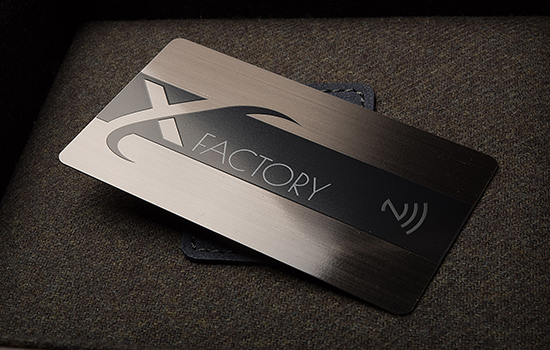
FAQs (Frequently Asked Questions)
What does edge and corner finishing mean on a metal business card?
Edge and corner finishing on a metal business card refers to the refinement of the card’s perimeter after cutting, ensuring it looks clean and feels safe to hold. This process includes burr removal, corner shaping, smoothing, polishing, and sometimes coloring or sealing the edges to enhance comfort, durability, and aesthetics.
Why is edge and corner finishing important for Metal Business Cards Australia?
Edge and corner finishing is crucial because it affects the first physical touchpoint when someone picks up the card. Proper finishing prevents sharp edges that can feel cheap or cause minor scratches, providing a premium feel that reflects brand quality. It also ensures the card remains durable and safe when carried in wallets or cardholders across Australia.
How are metal business cards cut before edge finishing begins?
Metal business cards are typically cut using laser cutting, CNC machining, stamping, or waterjet methods depending on volume and metal choice. After cutting, micro-burrs or heat marks often remain on the perimeter, necessitating secondary edge finishing processes to achieve a smooth and refined finish.
What techniques do suppliers use to remove burrs from metal business cards?
Suppliers remove burrs—tiny raised lips of metal left after cutting—using deburring wheels, tumbling media, hand filing, belt sanding, or brushing. The chosen method matches the card’s finish to ensure edges blend seamlessly with the face of the card without differing textures.
How do suppliers round corners on metal business cards and what radii are commonly used?
Corners are rounded using CNC profiling, stamping dies, sanding jigs, or specialized corner-rounding tools designed for metal. Common radii mimic standard card corners but are adjusted larger for thicker metals like brass or stainless steel to prevent pointy edges and enhance comfort.
When might sharp corners be chosen over rounded ones for Metal Business Cards Australia?
Sharp corners are selected when a brand desires an angular aesthetic or geometric theme. However, even with sharp corners, suppliers typically break the edges slightly to avoid hazards. Such sharp-cornered cards are often reserved for display pieces or presentation packs rather than everyday wallet use.